

Are you curious about what graphic designers really do? You might have heard they create amazing visuals, but do they actually make logos?
This question might seem simple, but the answer can impact how you perceive the role of a graphic designer. Understanding this could change the way you approach branding for your business or personal projects. Imagine having the power to enhance your brand’s identity by knowing exactly who to turn to for that perfect logo.
Dive in, and let’s uncover the truth about the connection between graphic designers and logo creation. You won’t want to miss this eye-opening insight!
Role Of Graphic Designers
Graphic designers play a crucial role in creating logos that capture the essence of a brand. They combine creativity with technical skills to design logos that are not only visually appealing but also meaningful. Whether you’re launching a new business or rebranding, a graphic designer can help you craft a logo that stands out and resonates with your target audience.
Skills Required
A graphic designer needs a mix of artistic flair and technical expertise. They must be proficient in design software like Adobe Illustrator and Photoshop. Understanding color theory, typography, and composition is essential. These skills help in crafting logos that are versatile and memorable.
But it’s not just about technical skills. You also need a keen eye for detail and a deep understanding of branding. Think about how a simple apple shape became synonymous with technology—can your logo do the same?
Types Of Projects
Graphic designers tackle diverse projects beyond logos. They might work on brochures, websites, or social media graphics. Each project requires a unique approach and skill set.
Logo design is just one facet of their work. However, it often serves as the cornerstone for brand identity. When starting a business, consider how a logo can set the tone for all other branding efforts.
Ever wondered how some logos become iconic? It’s not just talent; it’s the variety of projects that hone a designer’s skills over time.
So, what makes a logo truly effective? Is it the simplicity, the color, or the story it tells? As you ponder this, remember that the role of a graphic designer is pivotal in shaping brand identities. What kind of impact do you want your logo to make?

Credit: www.andacademy.com
Logo Design Process
Creating a logo involves a structured approach. It ensures the design is effective and memorable. Designers follow specific steps to craft logos that speak to a brand’s identity. Each phase is crucial in shaping the final outcome. Let’s explore the logo design process.
Research And Inspiration
Designers begin by gathering information. They study the brand’s values and audience. Market trends and competitor logos offer insights. Inspiration can come from various sources. Nature, art, and architecture are common themes. This phase sets the foundation for creativity.
Concept Development
Once research is complete, ideas start to form. Designers sketch initial concepts. They visualize how shapes and colors might interact. These sketches are rough but vital. They capture the essence of the brand. Concepts evolve with feedback and exploration.
Design And Refinement
In this phase, digital tools come into play. Designers create digital versions of their sketches. Colors and typography are carefully chosen. Each element must align with the brand’s image. Refinement is key. Adjustments are made until the design feels right.
Feedback And Finalization
Feedback from stakeholders is crucial. It ensures the design resonates with the target audience. Suggestions lead to minor tweaks or major changes. Once everyone is satisfied, the logo is finalized. A successful logo is versatile and memorable. Ready to represent the brand in all its endeavors.
Tools For Logo Creation
Creating a logo requires the right tools and techniques. Graphic designers use various tools to bring their ideas to life. These tools help them craft unique and impactful logos. From software to traditional methods, each tool serves a purpose.
Software And Applications
Graphic design software plays a crucial role in logo creation. Adobe Illustrator is a popular choice among designers. It offers precision and flexibility for detailed designs. CorelDRAW is another option with similar features. Both programs allow for vector-based design. This ensures logos remain sharp at any size.
For beginners, Canva offers user-friendly templates. It’s perfect for simple logo designs. Online applications like LogoMaker provide easy-to-use tools. These help designers create logos without extensive experience.
Traditional Vs. Digital Methods
Traditional methods include sketching with pencil and paper. Many designers start with sketches to brainstorm ideas. This method allows for quick and spontaneous creation. Once ideas take shape, designers move to digital platforms.
Digital methods involve using software for final designs. These methods offer more precision and color options. Digital tools also make it easier to share and edit designs.
Both traditional and digital methods have their advantages. Combining them can lead to innovative logo designs.
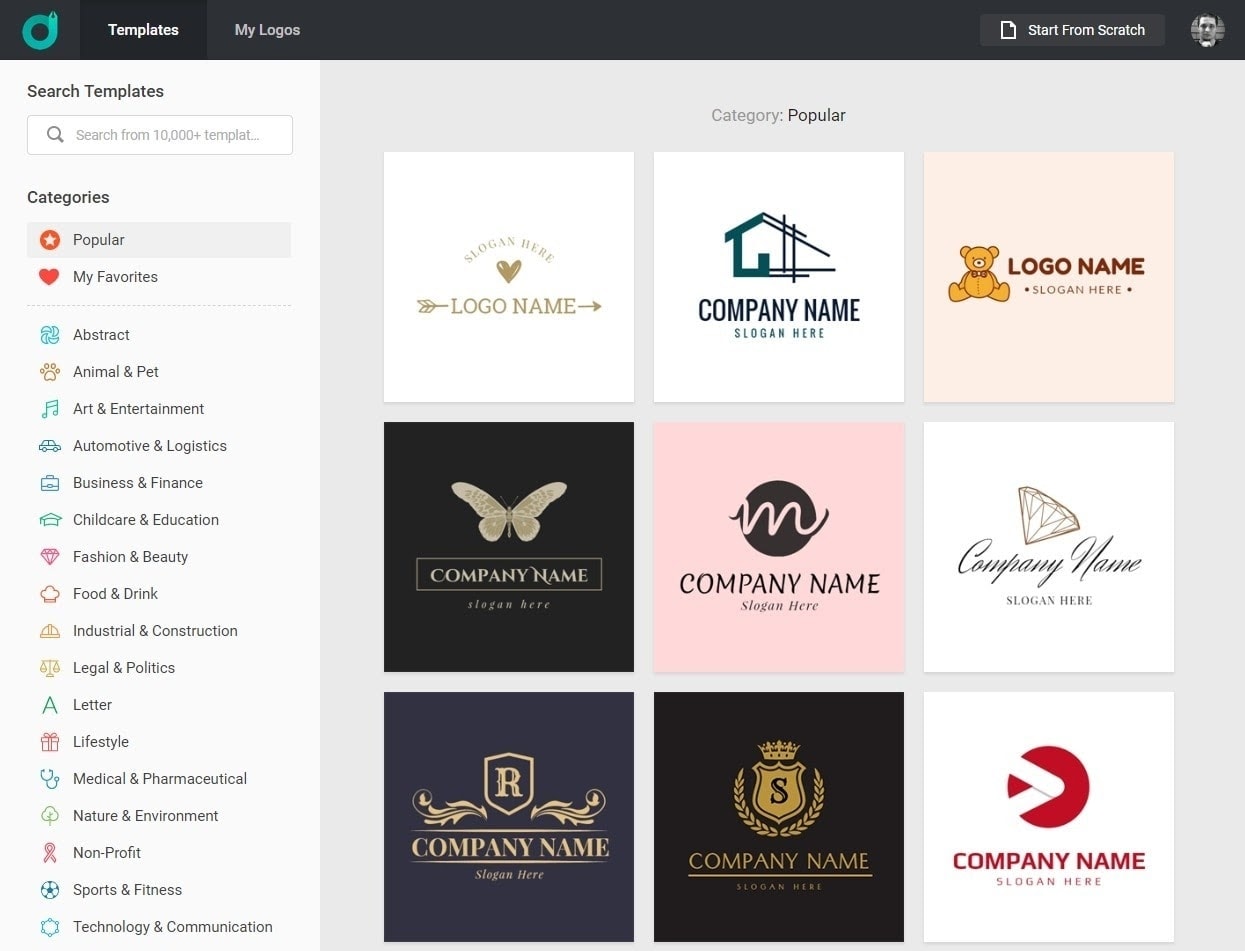
Credit: www.websiteplanet.com
Importance Of Logos
Graphic designers craft logos that capture a brand’s essence. Logos create instant recognition and communicate a business’s values. A strong logo can set a company apart in a crowded market.
Logos are more than just pretty pictures or clever designs. They are vital components of a business’s visual identity. A well-crafted logo can communicate what your business is about at a glance. It sticks in people’s minds and evokes emotions. But why exactly are logos so important for a business? Let’s dive into a couple of reasons.Brand Identity
Your logo is often the first thing potential customers notice about your brand. It sets the tone for how people perceive your business. Think of it as the face of your company. When I started my first online shop, I underestimated the power of a logo. I thought my products would speak for themselves. But the minute I invested in a professional logo, I noticed a change. People began to trust my brand more. They recognized my business from my logo alone. A strong logo helps create a consistent brand identity across all platforms. Whether it’s on your website, social media, or packaging, a cohesive look builds trust. It reassures customers that you are professional and care about your brand’s image.Market Differentiation
In a crowded marketplace, standing out is crucial. A unique logo can help you differentiate your business from competitors. It highlights what makes you special. Imagine walking down a street filled with cafes. Each one offers coffee, but your eyes are drawn to the one with a striking logo. That logo promises a unique experience. You decide to try it out based on that first impression. Your logo can also communicate your brand’s values and mission. If you focus on sustainability, a green leaf or earthy colors in your logo can convey that message. It’s a subtle but effective way to tell your story. So, have you given enough thought to how your logo represents your brand? Could it be time to refresh your logo to better reflect your business goals? These are important considerations for any business owner.Challenges In Logo Design
Designing a logo is not just about creating a visually appealing symbol. It’s a complex process that involves navigating several challenges. As a graphic designer, you must balance creativity with practicality, ensuring that the logo meets client expectations, aligns with industry trends, and remains timeless. Let’s explore some of the hurdles you might face in logo design.
Client Expectations
Managing client expectations is a common challenge in logo design. Often, clients have a specific vision in mind, which might not always be feasible. You need to bridge the gap between their vision and what works best for the brand.
It’s crucial to communicate clearly and educate your clients about design principles. Explain why certain elements may not work and suggest alternatives that align with their goals. This builds trust and makes the design process smoother.
Have you ever been caught in the dilemma of pleasing the client versus following your creative instincts? Balancing these demands requires diplomatic skills and a clear understanding of the brand’s needs.
Trends And Timelessness
Another challenge is balancing current design trends with timelessness. Trends can make a logo feel modern and fresh, but they can also date quickly. A logo should stand the test of time while remaining relevant.
Consider using classic design elements that have lasting appeal. Think of logos like Coca-Cola or Nike; they have evolved but retained a timeless essence. Aim for simplicity and clarity to achieve this balance.
Ask yourself: How can you ensure your designs are not just trendy but have enduring relevance? This involves understanding the brand deeply and anticipating future shifts in the market.
In the end, overcoming these challenges requires a mix of creativity, foresight, and open communication with your clients. Keep learning and adapting to deliver logos that are not only effective today but will continue to resonate in the future.
Career Opportunities
Graphic design offers a range of career opportunities. Logo design is a key area. Many graphic designers focus on logo creation. This specialization is in high demand. Companies need unique logos to stand out. Designers have different paths to choose from. They can work as freelancers or employees. Each option has its benefits and challenges.
Freelancing Vs. Employment
Freelancing offers flexibility. Designers can choose their projects. They set their schedules. This path suits those who value independence. Freelancers need strong self-discipline. Finding clients is a constant task. Earnings can vary greatly.
Employment provides stability. Designers work for agencies or companies. They receive regular paychecks. Benefits like health insurance are often included. Employment offers teamwork and collaboration. It may limit creative freedom. Designers follow company guidelines.
Specialization In Logo Design
Specializing in logo design can boost a designer’s career. It requires a keen eye for detail. Logos must convey a brand’s message. This skill is crucial in marketing. Specialized designers can charge higher fees. They are often in demand by large companies.
Building a strong portfolio is essential. Clients look for proven skills. Successful logo designers often have a unique style. This sets them apart in a competitive market. Networking is important too. Connections can lead to more opportunities.
Credit: designpowers.com
Frequently Asked Questions
Does A Graphic Designer Make Logos?
Yes, graphic designers often create logos. They use design skills to develop unique and memorable brand identities. Their expertise includes typography, color theory, and visual elements to ensure logos effectively communicate a brand’s message. A graphic designer’s role is crucial in crafting logos that stand out and resonate with audiences.
How Much Does A Graphic Designer Charge To Make A Logo?
Graphic designers typically charge between $100 to $2,500 for a logo. Prices vary based on experience and complexity. Freelancers may offer lower rates, while agencies charge more. Always compare portfolios and reviews before deciding.
Is Logo Design A Part Of Graphic Design?
Yes, logo design is a crucial part of graphic design. Graphic designers create logos to visually represent brands. They use typography, color, and imagery to craft unique logos. A well-designed logo enhances brand identity and recognition. Logo design requires creativity, understanding of branding, and design skills.
What Is The Golden Rule For Logos?
The golden rule for logos is simplicity. A simple design ensures memorability, versatility, and timelessness. Keep it relevant to the brand’s identity and values. Aim for a unique and distinctive style that stands out. A well-designed logo is easily recognizable and works across different mediums and sizes.
Conclusion
Graphic designers play a crucial role in logo creation. They blend creativity with brand identity. A logo is more than just a picture. It represents values and mission. Designers ensure the logo is memorable and unique. They consider color, shape, and typography.
Each element matters. It’s not just art; it’s communication. Hiring a skilled designer can elevate a brand. A well-crafted logo builds trust and recognition. It’s a vital part of any business strategy. So, when deciding on a logo, think about the designer’s expertise.
Quality matters.
