
Imagine having a tool at your fingertips that not only connects you directly with your audience but also boosts your business growth. That’s the power of email marketing.
But what is its primary purpose? As you navigate through the crowded digital landscape, understanding the true essence of email marketing could be your secret weapon. This article will unravel the core purpose of email marketing and how it can transform your business strategy.
Whether you’re a seasoned marketer or just starting out, knowing this could be the game-changer you’ve been looking for. Stay with us as we dive into the heart of email marketing and how it can work wonders for you.
Purpose Of Email Marketing
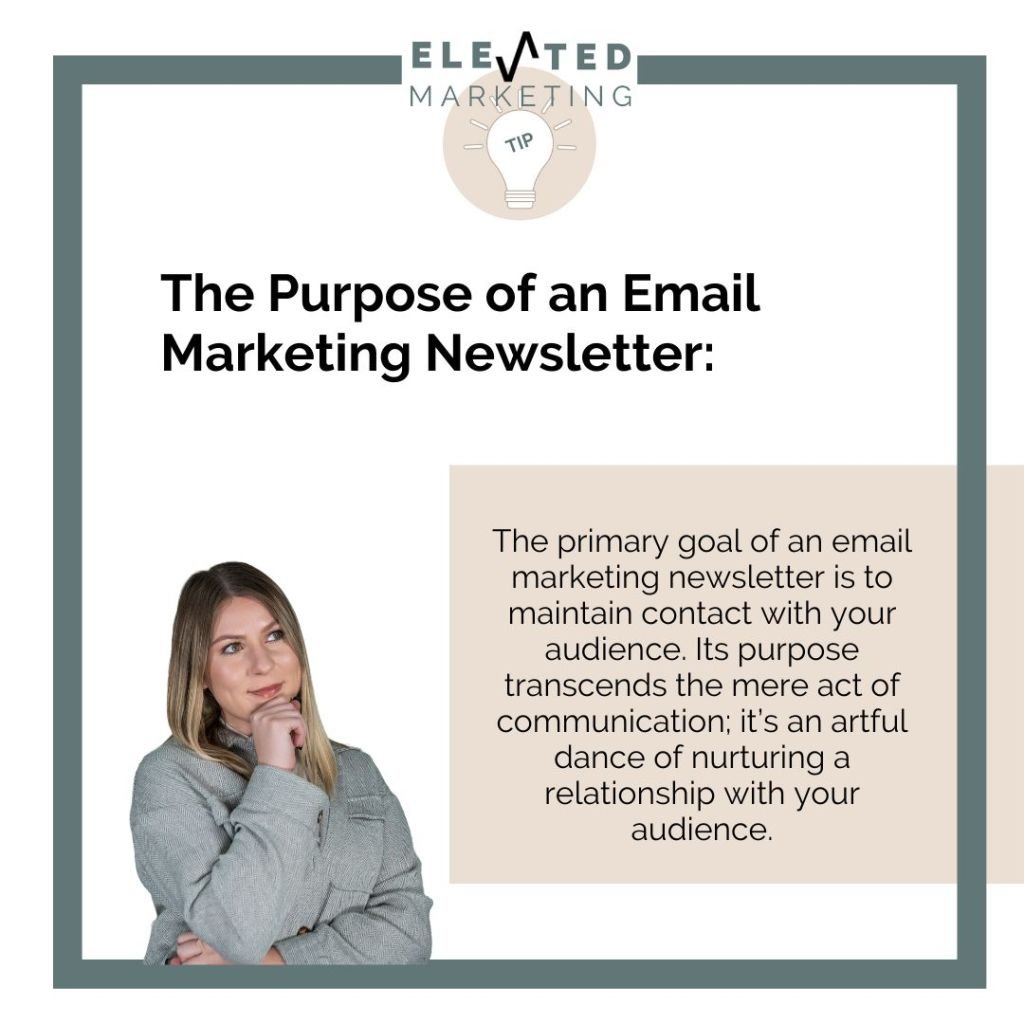
Email marketing aims to connect businesses with their audience, fostering relationships and boosting engagement. It serves as a direct channel for promoting products, sharing news, and encouraging customer loyalty.
Email marketing remains a cornerstone of digital communication, serving as a direct line between businesses and their audience. The primary purpose is more than just sending a message; it’s about creating connections, driving engagement, and ultimately, boosting your bottom line. By understanding the purpose of email marketing, you can craft campaigns that not only reach inboxes but also resonate with your audience.Building Relationships
Email marketing is a powerful tool for nurturing relationships with your audience. Regular newsletters and personalized updates keep your subscribers informed and engaged. Think about how you feel when a favorite brand sends you a special offer or an insider update. It fosters a sense of belonging and loyalty.Driving Sales And Conversions
Emails are not just for sharing news; they’re a direct channel to drive sales. By sending targeted promotions or exclusive offers, you can encourage your subscribers to make a purchase. Have you ever received a discount code that convinced you to finally buy that item sitting in your cart? That’s the power of email marketing in action. Every email you send is an opportunity to reinforce your brand’s identity. Consistent messaging and design in your emails help your audience remember who you are. Over time, this familiarity can transform casual subscribers into dedicated brand advocates.Gathering Customer Feedback
Email marketing isn’t just a one-way street. It’s an excellent way to gather feedback from your audience. By sending surveys or asking for opinions in your emails, you can gain valuable insights into what your customers want. This information can guide your future marketing strategies and product development.Increasing Website Traffic
Emails can serve as a bridge to your website, encouraging readers to explore more of what you offer. Including links to blog posts, product pages, or special events can drive substantial traffic. Have you clicked through an intriguing email link, only to find yourself exploring a website for much longer than planned? That’s the goal. Email marketing is a multifaceted tool that, when used effectively, can significantly enhance your business strategy. What would your business look like if you fully tapped into the potential of email marketing? It might be time to find out.
Credit: www.youtube.com
Building Customer Relationships
Email marketing is a powerful tool for businesses. Its primary goal is to build strong relationships with customers. Through personalized messages, companies can connect on a deeper level. This connection fosters trust and loyalty. By understanding customers’ needs, businesses can offer tailored solutions. This interaction makes customers feel valued and understood.
Creating Personalized Experiences
Emails can be customized based on customer behavior and preferences. This personalization makes the communication more relevant. When customers receive tailored content, they feel special. It shows the business knows them well. This approach helps in building a strong bond. Customers appreciate when a company understands their needs.
Consistent Communication
Regular updates keep customers informed about new products or services. This consistency builds a reliable relationship. Customers expect to hear from brands they trust. Email marketing ensures that connection remains strong. Frequent communication shows that the company values the relationship. It reinforces the bond between the customer and the brand.
Building Trust And Loyalty
Email marketing helps in establishing trust over time. By providing valuable content, businesses gain credibility. Trust leads to loyalty, which is crucial for long-term success. Loyal customers are more likely to purchase again. They also recommend the brand to others. This trust is built through honest and transparent communication.
Gathering Feedback And Insights
Emails can be used to gather customer feedback. This information is vital for improving products or services. By listening to customers, businesses can make informed decisions. This interaction shows customers that their opinions matter. It strengthens the relationship further. Feedback is a great way to understand customers better.
Driving Sales And Revenue
Email marketing plays a crucial role in driving sales and revenue. Businesses use it to connect with potential and existing customers. This connection often leads to increased sales and higher revenue. Let’s explore how email marketing achieves these goals.
1. Encouraging Repeat PurchasesEmails remind customers about your products or services. Sending personalized recommendations can boost repeat purchases. Loyal customers often spend more over time.
2. Promoting Special OffersPromotions attract customers with limited-time discounts. Email newsletters highlight these deals effectively. Customers feel motivated to make quick purchases.
3. Building Customer RelationshipsEmail marketing helps build strong relationships. Consistent communication shows you value your customers. This trust leads to increased sales and referrals.
4. Providing Product InformationEmails can educate customers about new products. Information-rich content helps customers make informed decisions. Informed customers are more likely to buy.
5. Segmenting Your AudienceSegmented email lists target specific customer groups. Tailored messages increase relevance and engagement. Higher engagement often leads to more sales.
6. Creating UrgencyEmails can create a sense of urgency. Limited-time offers encourage quick action. Urgent messages often result in immediate sales.
Enhancing Brand Awareness
Email marketing helps businesses increase brand awareness by directly reaching customers through their inbox. It builds connections and keeps audiences informed about new products or updates. This approach ensures your brand stays top of mind, fostering loyalty and engagement.
Email marketing is a powerful tool that can significantly enhance brand awareness. Imagine receiving an email that not only informs you about a new product but also reinforces the essence of the brand. This form of direct communication has the potential to keep your brand at the forefront of your audience’s mind.What Makes Email Marketing So Effective?
Email marketing allows you to speak directly to your audience. Unlike social media posts that can be easily missed, emails land directly in the inbox of your subscribers. This direct access can make your brand more memorable and increase the likelihood of engagement.Consistency Is Key
Regularly scheduled emails help maintain a consistent presence in your subscribers’ lives. When you consistently deliver valuable content, your audience begins to anticipate your emails. This anticipation strengthens your brand’s identity and keeps your products or services top-of-mind.Personalization Enhances Connection
Personalized emails go a long way in building a connection with your audience. By addressing subscribers by their names and tailoring content to their interests, you create a more personal experience. This personal touch can make your brand feel more relatable and trustworthy.Use Visuals To Your Advantage
Emails with strong visuals are more likely to grab attention. Incorporating your brand’s colors and logos reinforces brand recognition. A well-designed email with striking images can leave a lasting impression and boost brand recall.Measure And Adapt
Email marketing provides valuable data on how well your campaigns perform. By analyzing open rates, click-through rates, and other metrics, you can learn what resonates with your audience. This feedback loop allows you to refine your strategy and enhance brand awareness effectively. How often do you engage with a brand because of a well-timed, relevant email? Email marketing, when done right, can be a game-changer in making your brand unforgettable.Increasing Customer Engagement
Email marketing helps businesses connect with their customers directly. It aims to boost engagement by sharing valuable content. These campaigns can inform, promote, or nurture relationships, enhancing customer loyalty.
Email marketing plays a significant role in boosting customer engagement. It’s a direct line of communication to your audience. It allows businesses to connect with customers personally. This connection fosters loyalty and trust. Engaged customers are more likely to interact with your brand. They read emails, participate in promotions, and make purchases. Let’s explore how email marketing enhances customer engagement.Personalized Content
Personalized content captures attention. It makes customers feel valued. Addressing them by name is a simple yet effective tactic. Customizing emails based on past behavior works too. Offer product recommendations or exclusive deals. This personal touch encourages more interaction.Interactive Elements
Interactive elements keep readers engaged. Incorporate quizzes, polls, or surveys. These elements invite users to participate. They transform passive reading into active engagement. When users engage, they feel more connected to your brand. This connection can lead to higher conversion rates.Consistent Communication
Regular updates keep your brand in mind. Consistency builds familiarity. Share news, updates, or special promotions regularly. This keeps your audience informed. A well-planned schedule ensures emails aren’t overwhelming. Consistent communication maintains customer interest.Segmented Lists
Segmented lists target specific groups. This ensures the right message reaches the right audience. Different segments have different interests. Tailoring content to these interests boosts engagement. It shows that you understand your audience’s needs.Clear Call-to-action
A clear call-to-action (CTA) directs reader actions. It tells them what to do next. Whether it’s visiting a website or buying a product. An effective CTA is simple and concise. It guides the reader and encourages immediate action.Cost-effective Marketing Strategy
Email marketing stands as a cost-effective marketing strategy. Businesses of all sizes harness its power for connecting with audiences. Its affordability makes it accessible, enabling companies to thrive without breaking the bank. This method ensures brands reach their customers directly, boosting engagement and fostering loyalty.
Why Email Marketing Saves Money
Email marketing requires minimal investment compared to other channels. Sending emails costs less than printing flyers or running TV ads. Many email tools offer free plans for beginners. This allows small businesses to start without hefty upfront costs.
High Return On Investment
Email marketing delivers impressive returns. For every dollar spent, businesses often see substantial gains. This high ROI stems from its direct reach to consumers. Companies can track performance, adjusting campaigns for better results.
Easy Automation Saves Time
Targeted Messaging For Better Results
Scalable For Any Business Size
Measuring Campaign Performance
Email marketing is a powerful tool that can drive significant results for your business. However, understanding the effectiveness of your campaigns is crucial. Measuring campaign performance helps you identify what’s working and what isn’t, allowing you to refine your strategy and maximize your return on investment. Let’s dive into how you can assess the success of your email marketing efforts.
Campaign Metrics Overview
Start by familiarizing yourself with the key metrics that define success in email marketing. Open rates show how many people are interested in your content. Click-through rates indicate how engaging your emails are. Conversion rates reveal how well your emails turn interest into action.
Each metric provides valuable insights. They help you understand your audience’s behavior and preferences. This information can guide your future campaigns.
Tracking Tools
Leverage tracking tools to monitor these metrics effectively. Platforms like Mailchimp and Constant Contact offer robust analytics. They provide real-time data and visual reports.
Using these tools can simplify the process. They help you stay organized and focused on the numbers that matter. Your decisions become data-driven and precise.
Setting Benchmarks
Establish benchmarks to measure your progress. Determine realistic goals based on industry standards. Compare your metrics against these benchmarks.
Having benchmarks creates accountability. It pushes you to improve continuously. You can celebrate small victories along the way.
A/b Testing
Experiment with A/B testing to optimize your emails. Test different subject lines, images, or call-to-action buttons. Observe which version performs better.
Testing allows you to discover what resonates with your audience. It’s a practical method to enhance your emails. Learn from the results and implement changes.
Feedback And Improvement
Gather feedback from your subscribers. Ask them what they like or dislike about your emails. Use surveys or direct responses for insights.
Feedback is a goldmine for improvement. It provides a direct line to your audience’s thoughts. Implement their suggestions to strengthen your campaigns.
Continuous Analysis
Regularly analyze your campaign performance. Don’t just focus on the big picture; look into details. Identify patterns and trends over time.
Continuous analysis keeps you ahead of the curve. It helps you adapt to changes swiftly. Are you ready to take your email marketing to the next level?
Credit: studyx.ai
Segmentation And Targeting
Email marketing’s primary purpose is to connect businesses with their audience effectively. Segmentation and targeting help deliver personalized content. This approach ensures relevant messages reach the right people, increasing engagement and conversion rates.
Email marketing is a powerful tool, but its true potential lies in effective segmentation and targeting. Imagine receiving an email that feels like it was written just for you. This is the magic of segmentation and targeting. By understanding your audience and dividing them into specific groups, you can tailor your content to meet their unique needs and preferences. This approach not only enhances engagement but also drives better results.Understanding Segmentation
Segmentation is all about dividing your email list into smaller, more manageable groups based on certain criteria. These criteria can include demographics, interests, purchase history, or even engagement levels. Think about your own email habits. Wouldn’t you prefer receiving emails that actually match your interests? That’s the goal of segmentation.The Art Of Targeting
Once you have your segments, the next step is targeting. This involves crafting specific messages for each group. Consider a bookstore sending emails to its customers. One segment might be mystery lovers, while another might be sci-fi enthusiasts. By targeting these groups with relevant recommendations, the bookstore can significantly increase its chances of making a sale.Benefits Of Personalization
Personalization in email marketing goes beyond just using a recipient’s name. It involves offering content that resonates with their preferences and past interactions. Have you ever been pleasantly surprised by an email offering a discount on a product you were considering? That’s personalization at work, and it often leads to higher conversion rates.Tools And Techniques
There are various tools and techniques available to help with segmentation and targeting. Email marketing platforms offer features like automated segmentation and behavior tracking. Try experimenting with A/B testing to find out what resonates best with your audience. It’s a game-changer in refining your strategy.Challenges And Solutions
Segmentation and targeting can seem daunting. You might wonder how to start or worry about making mistakes. Start small. Use basic criteria like age or location, and gradually refine your segments. Mistakes are part of the learning process, and each one brings you closer to mastering your strategy.Is Segmentation Right For You?
Consider your current email marketing efforts. Are your messages connecting with your audience? Do you see the engagement levels you desire? If not, segmentation and targeting might be the missing pieces. By tailoring your approach, you can transform your email marketing into a more effective, personalized experience for your subscribers.Nurturing Leads
Email marketing serves many purposes. One critical purpose is nurturing leads. This involves guiding potential customers through their buying journey. With targeted emails, businesses can build relationships and trust. These emails provide valuable information and keep the audience engaged.
Understanding Your Audience
Knowing your audience is key to successful email campaigns. Segment your email list based on interests. This ensures relevant content reaches the right people. Personalized emails have a higher chance of engagement.
Building Trust
Trust is crucial for nurturing leads. Share informative and helpful content. Avoid pushing for sales immediately. Your goal is to become a trusted resource. When people trust you, they are more likely to buy.
Providing Value
Offer value in every email. Educational content, tips, and guides work well. People appreciate content that helps solve their problems. Valuable content keeps your audience coming back for more.
Engaging Content
Content should be engaging and easy to read. Use clear and concise language. Break up text with subheadings and bullet points. Keep paragraphs short and focused on one idea.
Call To Action
Include a clear call to action. Encourage subscribers to take the next step. This could be visiting your website or downloading a resource. Make it simple and direct.
Retaining Existing Customers
Email marketing helps businesses keep customers by sharing useful updates and offers. It builds loyalty and trust. Regular communication keeps your brand in customers’ minds, encouraging them to return.
Email marketing plays a vital role in retaining existing customers. It focuses on building and nurturing relationships with people who have already engaged with your brand. This strategy is cost-effective and helps maintain a steady revenue stream. Engaged customers can become loyal advocates, spreading positive word-of-mouth. Let’s explore how email marketing can help in customer retention.Understanding Customer Needs
A successful email campaign starts with understanding customer needs. Gather feedback through surveys or direct questions. This approach demonstrates that you value their opinion. It helps tailor content to meet their expectations. Personalization increases engagement and fosters loyalty.Providing Valuable Content
Sharing valuable content keeps your audience engaged. Offer tips, guides, or exclusive information that benefits them. This builds trust and positions your brand as a reliable source. Your emails should aim to solve problems or add value. This strategy maintains interest and ensures continued interaction.Rewarding Loyalty
Rewarding loyal customers strengthens their connection to your brand. Offer special discounts, early access, or exclusive deals. These gestures show appreciation and encourage repeat business. Loyalty programs can also incentivize further purchases. Such benefits make customers feel valued and special.Regular Communication
Consistent communication is key to staying in customers’ minds. Regular updates keep them informed about new products or services. Email frequency should be balanced to avoid overwhelming them. The goal is to maintain a presence without becoming intrusive. A steady stream of relevant content keeps your brand top-of-mind.Encouraging Feedback
Feedback from customers is invaluable for growth. Encourage them to share their thoughts and experiences. This opens a dialogue and helps improve your offerings. It also shows that you care about their satisfaction. Responding promptly to feedback can turn negative experiences into positive ones.
Credit: www.youtube.com
Frequently Asked Questions
What Is The Purpose Of Email Marketing?
Email marketing aims to engage customers, boost brand awareness, and drive sales. It nurtures leads and strengthens customer relationships. Businesses use it to deliver personalized content, promote products, and announce updates. This cost-effective strategy enhances customer retention and supports business growth.
Which Of The Following Is A Primary Goal Of Email Marketing?
The primary goal of email marketing is to build and maintain relationships with customers. It aims to increase brand awareness, drive sales, and foster customer loyalty through personalized and targeted communication. Effective email marketing enhances customer engagement and encourages repeat business.
What Is A Primary Use Of Email Marketing In Digital Marketing?
Email marketing is primarily used to nurture leads and build relationships with customers. It helps businesses promote products, share updates, and drive engagement. Through targeted campaigns, email marketing boosts brand awareness and encourages customer loyalty, ultimately increasing conversions and sales.
What Is The Primary Purpose Of Email On The Internet?
The primary purpose of email on the internet is to facilitate instant communication. Users can send messages, documents, and multimedia efficiently. Email also supports professional and personal interactions, ensuring secure and organized correspondence. It remains a vital tool for information exchange and connectivity.
Conclusion
Email marketing is a powerful tool for businesses. It helps connect with customers. Boosts brand awareness and nurtures relationships. Emails can promote products and share updates. They keep your audience engaged and informed. This strategy also offers valuable insights. You can track open rates and clicks.
Understand what works best for your business. Email marketing is cost-effective and customizable. It suits any business size or type. When done right, it can drive sales and build loyalty. Begin today and see the benefits. Make email marketing a key part of your strategy.
