
Are you thinking about using a free VPN to protect your online privacy? You’re not alone.
Many people are drawn to the promise of free services, especially when it comes to safeguarding their internet activities. But is a free VPN really safe to use? This is a question you need to consider before taking that leap.
Your online security and personal information could be at risk, and you deserve to know the truth. You’ll uncover the hidden realities behind free VPNs, so you can make an informed decision that keeps you safe and secure. Don’t let the lure of “free” compromise your digital safety. Stay with us as we reveal what you need to know about free VPNs.
What Is A Free Vpn?
Many people wonder about free VPNs and their safety. VPN stands for Virtual Private Network. It helps protect your online privacy. Free VPNs promise this service without any cost. This sounds tempting for many users. But what is the catch? Understanding how free VPNs work is crucial.
Basic Concept
Free VPNs offer a private network connection. They let you browse the internet securely. Your data is encrypted. This means your online actions stay hidden. Free VPNs do not charge fees. But they might have limited features. This is where the differences appear. Free VPNs might not offer the best security. They can have slower speeds. They may show ads or restrict usage. It’s important to know what you are getting.
Popular Free Vpn Services
Several free VPNs are popular among users. ProtonVPN is known for its no data limit. It offers strong encryption. Windscribe provides 10GB of data monthly. It has a user-friendly interface. TunnelBear offers a simple setup. It gives 500MB of free data monthly. Each service has its strengths and weaknesses. Choosing the right one depends on your needs. Always check the privacy policy. Understand what data they collect.
How Free Vpns Work
Understanding how free VPNs work is crucial for users considering them. VPNs, or Virtual Private Networks, create a secure connection over the internet. Free VPNs offer basic services without any cost, but how do they function? Here, we break down their operations into key components.
Encryption And Tunneling
Free VPNs use encryption to protect data. Encryption scrambles information, making it unreadable to outsiders. This ensures privacy and security. Tunneling involves creating a safe pathway for data. Free VPNs form these tunnels to shield users from cyber threats. Although protection varies, basic encryption and tunneling are provided.
Data Routing Mechanisms
Free VPNs route data through various servers. This process masks the user’s IP address. By changing the IP location, users gain anonymity online. Routing can sometimes slow down connections. Free VPNs often have fewer servers, affecting speed. Despite limited resources, they still aim to reroute data effectively.
Potential Risks Of Free Vpns
Free VPNs attract users with no cost but come with risks. Many users think free VPNs are safe. This belief can lead to problems. Users must know these risks to stay safe online.
Data Logging And Privacy Concerns
Many free VPNs log user data. They may record browsing history. This data can be sold to third parties. Personal information may be at risk. Privacy is not guaranteed with free VPNs.
Security Vulnerabilities
Free VPNs often lack strong security features. They may have weak encryption. This can expose user data to hackers. Users may face data breaches. A lack of updates can increase security risks.
Malware And Adware Risks
Free VPNs can include malware. Users may unknowingly download harmful software. Some free VPNs show unwanted ads. These ads can be intrusive. They may lead to malicious sites. Protecting devices from malware is important.

Credit: protonvpn.com
Advantages Of Using Free Vpns
Free VPNs offer cost-effective ways to browse securely and protect your privacy online. They help bypass geographical restrictions, allowing access to content from anywhere. Despite these benefits, users must remain cautious about potential security risks and data limits associated with free services.
Have you ever wondered if free VPNs are safe to use? While the debate continues, free VPNs offer several advantages that might make them appealing for you. Let’s explore why you might consider using a free VPN despite potential risks.Cost Savings
One of the most obvious benefits is the cost savings. Free VPNs save you from monthly or annual fees. If you’re on a budget or just exploring VPNs for the first time, free options let you test the waters without financial commitment. Imagine you’re a student trying to access resources blocked in your country. A free VPN can be your gateway to valuable information without denting your wallet.Ease Of Access
Free VPNs are often easy to access. You can download them from app stores or websites with just a few clicks. This simplicity means you can quickly bypass geographical restrictions. Think about planning a trip abroad and needing to access your favorite streaming site. A free VPN could allow you to enjoy your shows without hassle.Basic Anonymity
While free VPNs may not offer the comprehensive security of paid versions, they do provide basic anonymity. By masking your IP address, they can help protect your privacy in public networks. Consider using a public Wi-Fi at a café. A free VPN can add a layer of protection against potential snoopers. But before you dive in, ask yourself: Are the advantages worth the potential risks? Your decision should balance the benefits with the level of security you need.Comparing Free Vs. Paid Vpns
Choosing between free and paid VPNs can be confusing. Both options offer online privacy. But they differ in many ways. Understanding these differences can help you make the right choice. Let’s explore their features, performance, and security.
Feature Set Differences
Free VPNs often provide limited features. They may offer basic encryption and a few server locations. Paid VPNs, on the other hand, come with a robust feature set. This includes a wide range of server locations and advanced encryption. Some paid services even offer dedicated IP addresses and ad-blocking.
Performance And Speed
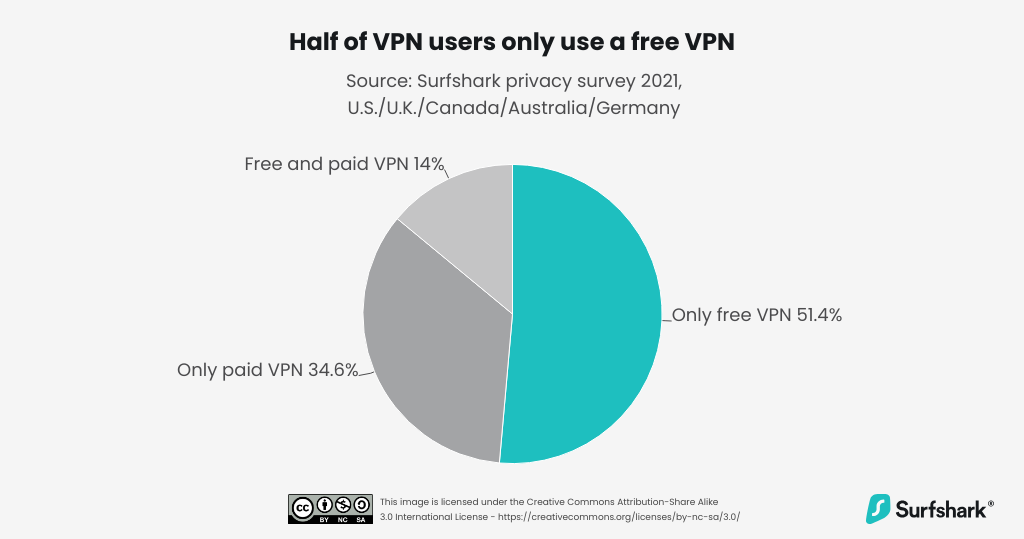
Free VPNs can be slow due to heavy user traffic. They often have limited bandwidth, affecting browsing speed. Paid VPNs generally offer better performance. They have more servers, which means less congestion. This ensures faster and more reliable connections.
Security And Privacy Assurance
Free VPNs might lack strong security measures. They may log user data or display ads. Paid VPNs prioritize security and privacy. They offer no-log policies and stronger encryption. This makes paid VPNs a safer choice for sensitive activities.
Credit: surfshark.com
Evaluating Free Vpn Providers
Exploring the safety of free VPNs raises concerns. Many offer limited security features, risking your data privacy. It’s crucial to examine their encryption standards and data logging policies before use. Proceed with caution, as some free VPNs can expose users to potential cyber threats or data breaches.
Evaluating free VPN providers is crucial if you’re considering using one. Many people are drawn to free VPNs because, well, they’re free! But free doesn’t always mean safe. So, how do you ensure that your data isn’t compromised when using a free VPN? It’s all about scrutinizing the provider’s reputation, transparency, and policies. Let’s dive in.Reputation And User Reviews
Start by checking what others say about the VPN. Look at user reviews on app stores or forums. These reviews can give you an idea of the common experiences with the VPN. Is it known for slow speeds or frequent disconnections? Or perhaps, does it have a track record of data leaks? Remember, a provider with a poor reputation probably won’t change overnight. Trustworthy reviews can save you from potential headaches.Transparency And Policies
Transparency is key. A reliable VPN provider will clearly outline its privacy policies and terms of service. They should tell you what data they collect, if any, and how they use it. Is the provider upfront about its funding sources or ownership? If you can’t find this information easily, that’s a red flag. Would you trust a friend who hides things from you? Probably not. Apply the same logic here. Feeling safe online is crucial, and trusting a VPN provider is part of that. Would you put your trust in a provider that doesn’t disclose its operations? Your privacy deserves clear answers, not vague promises.Tips For Choosing A Safe Vpn
Exploring VPN safety? Free VPNs often lack robust security features. They may sell your data to advertisers. Consider choosing a trusted, paid VPN for better protection and privacy.
Choosing a safe VPN can be a daunting task, especially when you’re enticed by the allure of free services. While saving money is always appealing, your online security should be your top priority. Whether you’re new to VPNs or have some experience, it’s crucial to understand what makes a VPN reliable and safe. Below are some tips to guide you in selecting a secure VPN service.Key Features To Consider
When evaluating VPNs, start by looking at their security features. Ensure the VPN offers strong encryption to protect your data. AES-256 is the gold standard. Another vital feature is a no-logs policy. This means the VPN doesn’t keep records of your online activities, safeguarding your privacy. Reliable VPNs should also provide a kill switch. This feature disconnects you from the internet if the VPN connection drops, preventing accidental exposure.Red Flags To Avoid
Steer clear of VPNs with vague privacy policies. If it’s unclear how they handle your data, it’s safer to look elsewhere. Be wary of VPNs with poor customer reviews. Real-life experiences from users can tell you a lot about a VPN’s reliability and performance. Avoid VPNs that offer unrealistic claims like “100% anonymity” or “guaranteed security.” No service can offer absolute protection. Choosing a VPN is a critical decision for your online safety. It’s worth taking the time to research and understand what makes a VPN trustworthy. Do you really want to risk your data for a free service?Alternative Solutions To Free Vpns
Exploring free VPNs raises safety concerns. These services might log data or have weak security. Paid VPNs often provide better protection, ensuring privacy and reliable service. Consider reputable options to safeguard online activities without compromising on security.
When considering the safety of free VPNs, it’s crucial to explore alternative solutions that offer better security and privacy. Free VPNs often come with limitations and potential risks, such as data logging and security flaws. But don’t worry, there are other options that can provide the protection you need without the associated downsides.Freemium Models
Freemium VPN models offer a balanced approach between free and paid services. They provide basic features at no cost, with the option to upgrade for advanced functionalities. This model lets you test the waters before committing financially. You might find limited data usage or fewer server options in the free version, but it’s a great way to evaluate the service’s performance and reliability.Trial Versions Of Paid Vpns
Trial versions of paid VPNs offer a taste of premium services without a long-term commitment. They usually last from a few days to a month, giving you full access to all features. This trial period lets you assess speed, security protocols, and ease of use. Wouldn’t you rather know what you’re paying for rather than gamble with your privacy?Other Privacy Tools
VPNs aren’t the only tool in your privacy toolkit. Consider using privacy-focused browsers like Tor or extensions that block trackers and ads. Password managers can also enhance your online security by creating and storing strong, unique passwords. Have you tried these tools, and if so, how do they complement your current privacy strategy? Exploring these alternatives can provide you with more robust security solutions. Wouldn’t you agree that your privacy is worth the investment?
Credit: surfshark.com
Frequently Asked Questions
Is Free Vpn Trustworthy?
Free VPNs may not always be trustworthy. They often compromise user privacy by logging data. Many free VPNs have limited security features. Users might face slower speeds and ads. Opt for reputable VPN providers to ensure better security and privacy.
Always read reviews and research before choosing a VPN.
What Is The Safest Vpn That’s Free?
ProtonVPN offers a safe and free option with strong encryption and a strict no-logs policy. It provides unlimited data and servers in three countries, ensuring privacy and security. Users appreciate its transparency and open-source software, making it a reliable choice for a free VPN service.
What Are The Downsides Of Free Vpn?
Free VPNs often have slow speeds and limited data. They may log user data and sell it to advertisers. Security features are usually weak, making them vulnerable to breaches. Ads and pop-ups can be intrusive. Limited server locations restrict access to global content.
Is It Illegal To Use A Free Vpn?
Using a free VPN is generally legal in most countries. It’s crucial to follow the VPN’s terms of service. Ensure your activities comply with local laws and regulations to avoid legal issues. Always choose reputable VPN services for security and privacy protection.
Conclusion
Choosing a free VPN requires caution. Safety is a major concern. Free services often lack robust security. They might sell your data. Consider their privacy policy. Check for reputable providers. Security should be your priority. Free isn’t always trustworthy. Some offer basic protection.
Others compromise your privacy. Weigh the risks and benefits. Investing in a paid VPN might be smarter. It often provides better security. Protect your online activities wisely. Make informed choices for peace of mind. Safety should never be compromised. Always prioritize your digital privacy.
