

Are you dreaming of launching your own online store but unsure where to begin? Starting an ecommerce business can be both exciting and overwhelming.
Imagine having the freedom to sell products you love, reach customers worldwide, and build a brand that’s all your own. But how do you transform this dream into reality? This guide is crafted just for you, offering clear, actionable steps to turn your ecommerce ambitions into a thriving business.
Get ready to discover insider tips that successful entrepreneurs use to captivate their audience, boost sales, and create an unforgettable shopping experience. Don’t miss out on the opportunity to unlock your potential and shape your future. Dive into the details and start building your ecommerce empire today!
Market Research
Starting an ecommerce business requires careful planning and insight. Market research is your foundation. It helps you understand your audience and competitors. This knowledge is crucial for success. Let’s explore how to conduct effective market research for your ecommerce venture.
Identifying Target Audience
First, know who your customers are. Define their age, gender, and interests. Consider their location and buying behavior. Use online surveys and social media insights. These tools help gather information about potential customers. Understanding their needs helps tailor your products effectively.
Analyzing Competitors
Next, study your competitors. Identify key players in your market. Visit their websites and review their product offerings. Analyze their pricing strategies and customer reviews. This analysis reveals their strengths and weaknesses. It helps you find opportunities to stand out.
By knowing your audience and analyzing competitors, you lay a strong foundation. With this knowledge, you can make informed decisions for your ecommerce business.
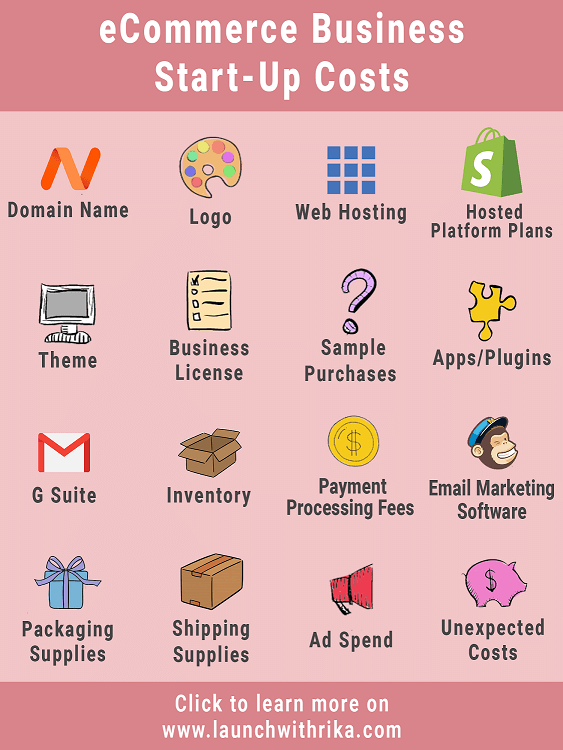
Credit: crosslist.com
Choosing Products
Choosing the right products to sell is crucial for the success of your ecommerce business. The products you select will define your brand and influence customer trust and loyalty. They can make or break your business, so it’s worth spending time on this step.
Start by asking yourself what interests you. Selling something you’re passionate about can be more enjoyable and rewarding. Look at your hobbies, past experiences, or even your frustrations. Turn these into opportunities for product ideas.
Once you have a few ideas, it’s time to research. Dig into market trends and understand what customers are currently buying. Let’s break it down further.
Trending Product Categories
Trends change, but understanding them can give you an edge. Look at popular platforms like Google Trends or social media to spot rising product categories. Consider seasonal trends too, like back-to-school supplies or holiday gifts.
Health and wellness products are booming. People are focusing more on self-care and fitness. Eco-friendly products are also gaining popularity as consumers become more environmentally conscious. Tech gadgets, especially smart devices, continue to captivate the market.
Ask yourself: What new trends can you see emerging? How can you position yourself to capitalize on these trends? Stay curious and keep your eyes open for opportunities.
Supplier And Manufacturer Selection
Once you’ve chosen your product category, finding reliable suppliers and manufacturers is next. Research is key. A simple Google search can start you off, but dig deeper. Check supplier reviews and ratings on platforms like Alibaba and Etsy.
Reach out to potential suppliers with specific questions. Are they trustworthy? Do they offer competitive pricing? How is their delivery process? Building a relationship with your supplier is crucial for smooth operations.
Visit trade shows or local markets to meet suppliers face-to-face. It can offer unexpected insights and opportunities to negotiate better deals. Consider asking yourself: Is this supplier aligned with your business values and goals?
Choosing the right products and suppliers takes time, but it’s a rewarding process. As you make these decisions, remember that they shape the foundation of your ecommerce business. Are you ready to take this exciting step?
Business Model
Starting an ecommerce business involves choosing a niche, setting up an online store, and selecting reliable suppliers. It’s important to develop a clear marketing strategy and ensure seamless payment options for customers. Regularly updating product listings and providing excellent customer service can boost growth and customer loyalty.
Starting an ecommerce business is an exciting journey, but choosing the right business model is crucial for your success. The business model you pick will dictate how you operate, fulfill orders, and manage customer relationships. It’s like choosing the engine that will drive your ecommerce journey forward. Let’s explore some popular business models and find out which one fits your vision.Dropshipping Vs. Inventory Holding
When deciding between dropshipping and inventory holding, consider the level of control you want over your products. Dropshipping allows you to sell products without holding any stock. You simply forward orders to suppliers, who ship products directly to your customers. This model demands less upfront investment and reduces risk. However, it also means less control over product quality and shipping times. Inventory holding, on the other hand, involves purchasing products in bulk and storing them until sold. This approach offers more control over quality and delivery. However, it requires significant upfront investment and storage space. Picture your garage or a rented warehouse filled with products waiting to be shipped. Which model aligns with your resources and risk tolerance? If you prefer a low-risk start, dropshipping might be your way. If you want control over your brand and customer experience, consider inventory holding.Subscription-based Options
Subscription-based ecommerce is gaining traction, offering a predictable revenue stream and strong customer loyalty. Consider brands like Dollar Shave Club or Netflix. They thrive on subscriptions, providing consistent service or products for a regular fee. Starting a subscription model requires understanding your target audience and what they need regularly. Whether it’s monthly snack boxes or weekly pet supplies, subscriptions provide convenience. It also strengthens customer relationships as they become part of your brand community. Think about what you can offer that customers would want regularly. Can your products or services fit into a recurring model? Subscription models can build a stable foundation for your business, ensuring steady cash flow and customer engagement.Branding Strategy
Creating a strong branding strategy is vital for eCommerce success. It helps distinguish your business from competitors. A clear brand identity attracts customers. It builds trust and loyalty over time. Understanding the elements of a branding strategy can guide your business growth.
Creating A Unique Brand Identity
Your brand identity is the personality of your business. It includes your logo, colors, and fonts. Choose elements that reflect your values. Make sure they resonate with your target audience. Conduct market research to understand preferences. Use these insights to create a memorable brand experience.
Storytelling is another powerful tool. Share your brand’s story to connect emotionally with customers. Let them know what drives your business. This can create a lasting impression. Encourage customer interaction with your brand. This fosters deeper connections.
Building Trust With Customers
Trust is essential for eCommerce success. Customers need confidence in your brand. Ensure your website is easy to navigate. Provide clear product descriptions. Offer secure payment options to protect information. Display customer reviews and testimonials. These can influence purchasing decisions.
Communicate openly with customers. Address their concerns promptly. Show transparency in your business operations. This builds trust and strengthens relationships. Consider offering guarantees or warranties. This reassures customers about product quality.
Setting Up Online Store
Starting an ecommerce business is an exciting journey filled with opportunities. One of the key steps in this journey is setting up your online store. This process can be both thrilling and daunting, but with the right approach, you can create a store that not only attracts visitors but converts them into loyal customers.
Choosing Ecommerce Platforms
Your choice of ecommerce platform can significantly impact your business success. Consider what features are essential for your store. Do you need integrated payment solutions, inventory management, or marketing tools?
Platforms like Shopify, WooCommerce, and BigCommerce offer robust solutions tailored to different needs and budgets. Think about scalability. Will the platform grow with your business? Take advantage of free trials to test the waters before committing.
Remember, the platform you choose should align with your business goals. Ask yourself: Does it support your long-term vision?
Website Design Essentials
The design of your online store is your digital storefront. First impressions matter. A clean, intuitive design not only attracts visitors but also keeps them engaged.
Focus on user experience. Your website should be easy to navigate. Implement a search function and clear categories to help customers find products effortlessly.
Don’t underestimate the power of mobile responsiveness. A significant portion of users shop on mobile devices. Ensure your website looks great and functions smoothly on all screen sizes.
Setting up your online store involves strategic decisions that can set the stage for your ecommerce success. Are you ready to launch a store that stands out?
Payment Processing
Payment processing is a vital part of any ecommerce business. It ensures smooth transactions between you and your customers. A reliable system builds trust and enhances the shopping experience. Easy and secure payment options can increase sales. Understanding and implementing the right payment processing tools is crucial.
Secure Payment Gateways
Secure payment gateways protect sensitive customer information. They encrypt data during transactions, keeping it safe from hackers. Popular gateways include PayPal, Stripe, and Square. Each offers robust security features. Choose a gateway that complies with industry standards like PCI DSS. This compliance protects both you and your customers. A secure gateway can prevent fraud and chargebacks.
Pricing Strategies
Pricing strategies affect how customers perceive your products. Competitive pricing can attract more buyers. Consider offering discounts or free shipping. These strategies can boost sales volume. Dynamic pricing adjusts product prices based on demand and market trends. It maximizes profits while staying competitive. Ensure your pricing strategies align with your business goals.
Marketing And Promotion
Starting an ecommerce business involves understanding marketing and promotion. Building a strong online presence attracts customers. Use social media and email campaigns to reach potential buyers effectively.
Marketing and promotion are the lifeblood of any eCommerce business. You can have the most fantastic products, but if no one knows about them, your sales will stagnate. To make your mark in the competitive eCommerce landscape, you need to employ effective marketing strategies that captivate and convert your audience.Social Media Engagement
Social media is more than just a platform for sharing cat videos and memes. It’s a powerful tool to engage with your audience and build a community around your brand. Start by identifying which platforms your target customers frequent. If you’re selling fashion items, Instagram and Pinterest might be your playground. Share visually appealing content that tells your brand story. Engage with your audience by responding to comments and messages promptly. You can also use social media to run contests or giveaways. These initiatives can boost your visibility and foster a sense of community. Have you ever participated in a social media contest? Think about what made it exciting for you.Email Marketing Campaigns
Email marketing is often overlooked, yet it remains one of the most effective channels. Building an email list gives you direct access to your customers’ inboxes. But how do you make sure your emails aren’t ignored or worse, sent to spam? Craft compelling subject lines that spark curiosity and entice people to open your emails. Use the body of your emails to provide value, whether that’s through exclusive discounts or insightful tips related to your products. Personalization can make your emails stand out, so address recipients by their first name. Segment your email list to tailor your messages to different customer groups. For instance, loyal customers might receive different offers compared to first-time buyers. Have you ever noticed how personalized emails grab your attention more than generic ones? Use that insight to refine your campaigns.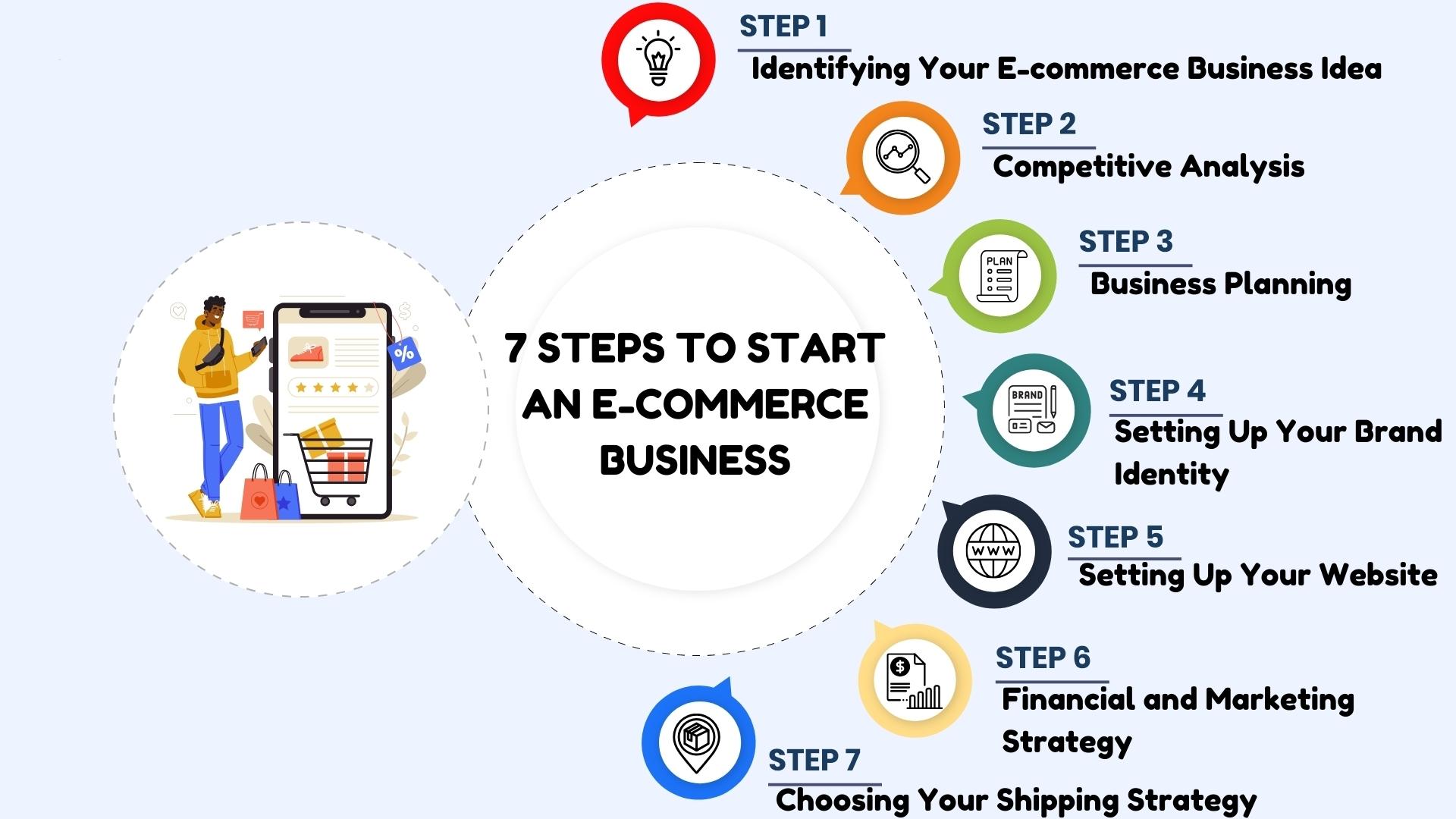
Credit: juphy.com
Customer Service
Setting up an eCommerce business involves more than just selling products online. One crucial aspect that can make or break your success is customer service. How you treat your customers can significantly impact your brand’s reputation and repeat business. It’s essential to create a customer service experience that leaves a lasting impression and fosters loyalty.
Handling Customer Inquiries
Responding promptly to customer inquiries is vital. Think of a time you reached out to a company and didn’t hear back for days—frustrating, right? Aim to reply within 24 hours to show customers they matter to you. Use clear and simple language to address their concerns.
Consider using a chatbot for quick answers to frequent questions. This saves time for both you and your customers. However, ensure human support is available for more complex issues.
Keep communication channels diverse. Whether through email, social media, or phone, make it easy for customers to reach you. Have you ever wondered which method most of your customers prefer?
Returns And Refunds Policy
A straightforward returns and refunds policy builds trust. Customers want assurance they can return a product if it’s not right for them. Clearly outline the steps for returning items and the conditions that apply.
Offer a reasonable timeframe for returns, such as 30 days, to give customers peace of mind. Ever bought something only to find out the return window was too short? Avoid creating that frustration for your customers.
Process refunds quickly and notify customers once it’s done. Keeping them informed reassures them and reflects positively on your brand. Have you set up an efficient system for handling refunds?
In sum, customer service is not just a department; it’s an ethos that should permeate your entire eCommerce business. By tackling customer inquiries effectively and having a clear returns policy, you build a foundation for trust and loyalty. How will you enhance your customer service strategy today?
Legal Requirements
Starting an ecommerce business requires understanding legal requirements like business licenses and tax registrations. Ensure compliance with privacy laws to protect customer data. Verify shipping regulations and product restrictions to avoid penalties.
Starting an ecommerce business is exciting, but it comes with its share of legal responsibilities. Navigating these requirements is crucial to ensuring your business runs smoothly and avoids any legal pitfalls. From obtaining the right licenses to understanding compliance, being informed will save you time and stress.Business Licenses
Securing the proper business licenses is your first step. Depending on your location, you may need different types of licenses to operate legally. Check with your local government or municipality for specific requirements. Some areas may require a general business license, while others might need specialized permits based on your product type. Don’t overlook the importance of this step. Operating without the necessary licenses can lead to fines or even closure.Compliance And Regulations
Understanding compliance and regulations is equally essential. These rules can vary widely depending on your industry and the countries you plan to serve. For example, if you’re selling food items, you must comply with health and safety standards. If you’re selling across borders, you need to be aware of international trade laws. Stay updated on these regulations to avoid any legal hiccups. Regularly reviewing compliance standards can prevent costly mistakes. Have you ever wondered how companies manage to stay in line with all these regulations? Many hire legal experts or use compliance software to ensure they meet every requirement. Think about how you can integrate these practices into your business strategy. Being proactive in legal matters can set you up for long-term success.Scaling The Business
Starting an ecommerce business involves choosing the right products, setting up a user-friendly website, and implementing effective marketing strategies. Focus on customer service and optimize your site for search engines to drive traffic. Continuous learning and adapting to market trends can lead to successful scaling.
Scaling your ecommerce business is an exciting phase. It’s about growing beyond the basics. This stage means reaching more customers. It also means offering more products. Growth requires planning and smart strategies. Let’s explore how to scale effectively.Expanding Product Lines
One way to grow is by adding new products. More choices can attract more buyers. Start by analyzing customer feedback. What do they wish for? Look at trends. Popular items can boost sales. Partner with suppliers for variety. Ensure quality remains high. New products should fit your brand. Keep inventory manageable. Avoid overwhelming your system. Test small batches first. This approach minimizes risk. Success here means more revenue.International Market Entry
Reaching global markets opens new doors. Start with market research. Understand different cultures. Tailor products to their needs. Language barriers can exist. Consider translating your site. Shipping logistics need careful planning. Partner with local distributors. They can ease operations. Legal regulations vary. Comply with international laws. Currency differences affect pricing. Use reliable payment methods. Customer service must be responsive. Building trust is key. Expanding globally increases brand awareness. It diversifies revenue streams.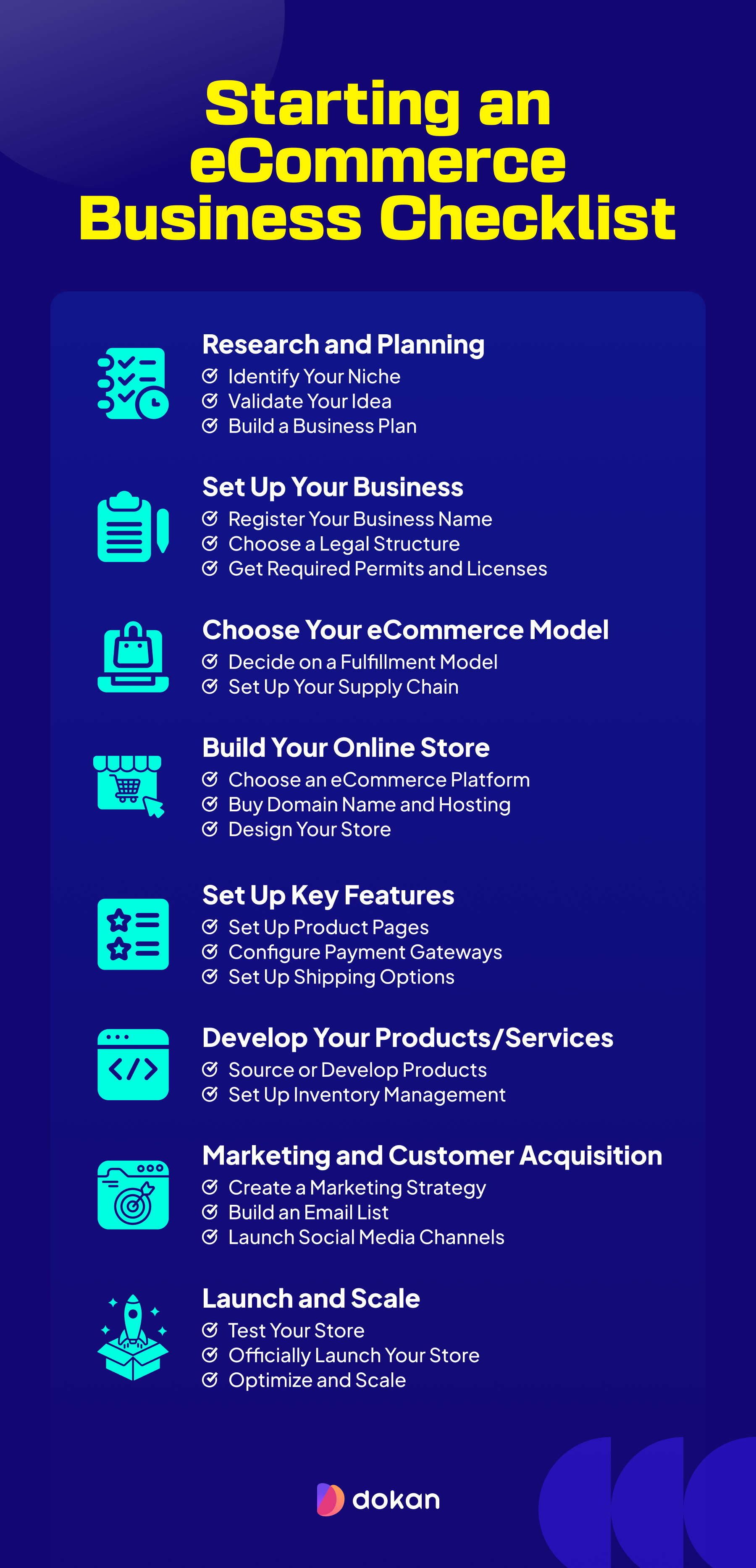
Credit: dokan.co
Frequently Asked Questions
How Much Does It Cost To Start An Ecommerce Business?
Starting an eCommerce business costs between $1,000 and $10,000. Expenses include website development, inventory, marketing, and software. Budget varies based on business size and type. Opt for cost-effective tools and services to manage expenses efficiently.
How Do I Start My Own Ecommerce Business?
Research your niche and target audience. Choose a suitable eCommerce platform. Design a user-friendly website. Set up secure payment options. Market your business effectively to attract customers.
What Are The 4 Types Of E Commerce?
The four types of e-commerce are Business-to-Consumer (B2C), Business-to-Business (B2B), Consumer-to-Consumer (C2C), and Consumer-to-Business (C2B). Each type involves different transactions and interactions between businesses and consumers, catering to specific market needs and demands.
What Are The 5 C’s Of Ecommerce?
The 5 C’s of eCommerce are Customer, Content, Commerce, Community, and Context. Focus on understanding customers’ needs. Create engaging and relevant content. Ensure seamless commerce transactions. Build a strong community around your brand. Provide contextually relevant experiences to enhance user engagement.
Conclusion
Starting an ecommerce business is a journey worth taking. First steps matter. Choose the right products and find reliable suppliers. Create a user-friendly website. Don’t forget about marketing. Social media can boost your reach. Consider SEO strategies. They help customers find you easily.
Track your progress and make changes when needed. Stay committed and keep learning. Challenges will come, but persistence pays off. With determination, your ecommerce business can grow and succeed. Ready to take the leap? Start today and watch your dreams unfold.
