

Unlocking the secrets of SEO can feel like finding a hidden treasure chest that boosts your article’s visibility and draws in readers like a magnet. Imagine your article climbing search engine ranks, getting the attention it truly deserves.
You might wonder, how can you make this happen? The answer lies in mastering SEO techniques tailored for articles. By understanding and applying these strategies, you can transform your content into a powerful tool that not only engages your audience but also ranks higher on search engines.
Stick with us, and you’ll discover simple, actionable steps to enhance your article’s SEO, ensuring your content stands out in the crowded digital landscape. Curious to know how? Let’s dive in and uncover these game-changing tactics that could be the key to your article’s success.
Keyword Research
Keyword research is a crucial part of SEO for articles. It helps you understand what your audience is searching for. This process guides your content creation, ensuring relevance and visibility. Done right, it can boost your article’s reach. Let’s explore how to conduct effective keyword research.
Identifying Target Keywords
Start by brainstorming topics related to your article. Use tools like Google Keyword Planner. They show search volumes and trends. Focus on keywords with moderate competition. These can offer better chances of ranking. Remember, relevance to your content is key.
Analyzing Competitors
Look at what keywords your competitors use. Tools like SEMrush can help. They reveal keywords driving traffic to their sites. Analyze their content for keyword usage. This insight can inform your strategy. Avoid direct copying. Aim to find gaps you can fill.
Long-tail Keywords
Long-tail keywords are phrases with three or more words. They are specific and less competitive. Users often search these for detailed information. Incorporating them can improve your article’s visibility. They attract a targeted audience. This can increase engagement and conversions.
Content Optimization
Crafting SEO-friendly articles involves using relevant keywords naturally throughout the text. Focus on creating clear, concise headings and subheadings to improve readability. Ensure your content is informative, engaging, and valuable to readers.
Content optimization is the secret sauce to make your articles shine in search engine results. It’s not just about sprinkling a few keywords here and there; it’s about enhancing every aspect of your content to make it more appealing to both readers and search engines. By focusing on key areas such as crafting an engaging title, using keywords effectively, and ensuring readability, you can significantly boost your article’s SEO performance.Crafting A Compelling Title
Your title is the first impression your article makes. It needs to grab attention instantly. Think about what would make you click on a link. A good title is clear and specific, hinting at the benefit the reader will gain. Use numbers or questions to pique curiosity. “10 Tips for Better Sleep” or “How Can You Improve Your Sleep Tonight?” are examples of enticing titles. Also, include your primary keyword naturally in the title to help with ranking.Incorporating Keywords Naturally
Keywords are crucial, but they should blend seamlessly into your content. Overloading an article with keywords can make it sound forced and awkward. Instead, use synonyms and related phrases to maintain a natural flow. Think about how you would explain the topic to a friend. Use that conversational tone to place keywords in a way that feels organic. Tools like Google’s Keyword Planner can help identify relevant words without overdoing it.Ensuring Readability
An article that’s hard to read won’t keep readers around for long. Short sentences and paragraphs make your content more digestible. Break up text with bullet points or numbered lists to enhance clarity. Use subheadings to guide the reader through your article. They act like signposts, helping readers find the information they need quickly. Imagine you’re navigating a busy street—clear signs make all the difference. Have you ever clicked away from a page because it was just too dense? Ensure your readers don’t feel the same by keeping your language simple and direct. Remember, an engaged reader is more likely to share your content, boosting its reach and, consequently, its SEO.On-page Seo
On-Page SEO plays a crucial role in optimizing articles for search engines. It involves adjusting elements within the article to improve visibility. By focusing on these aspects, your content can rank higher. Let’s explore some key components of On-Page SEO.
Meta Tags And Descriptions
Meta tags are small pieces of HTML code. They help search engines understand your content. Write clear and concise meta titles. Use relevant keywords naturally. Keep the title under 60 characters. Meta descriptions summarize your article. Aim for 150-160 characters. Make it engaging. Encourage clicks.
Header Tags Usage
Header tags structure your content. They guide readers through your article. Use H1 for the main title. It should contain the primary keyword. Use H2 and H3 for subheadings. They help organize information. Include keywords naturally in these subheadings. Make content easy to scan.
Image Optimization
Images enhance content and break text monotony. Optimize them for better SEO. Use descriptive filenames for images. Include relevant keywords. Compress images for faster loading times. Use alt text to describe images. This helps search engines understand image content. It also aids visually impaired users.
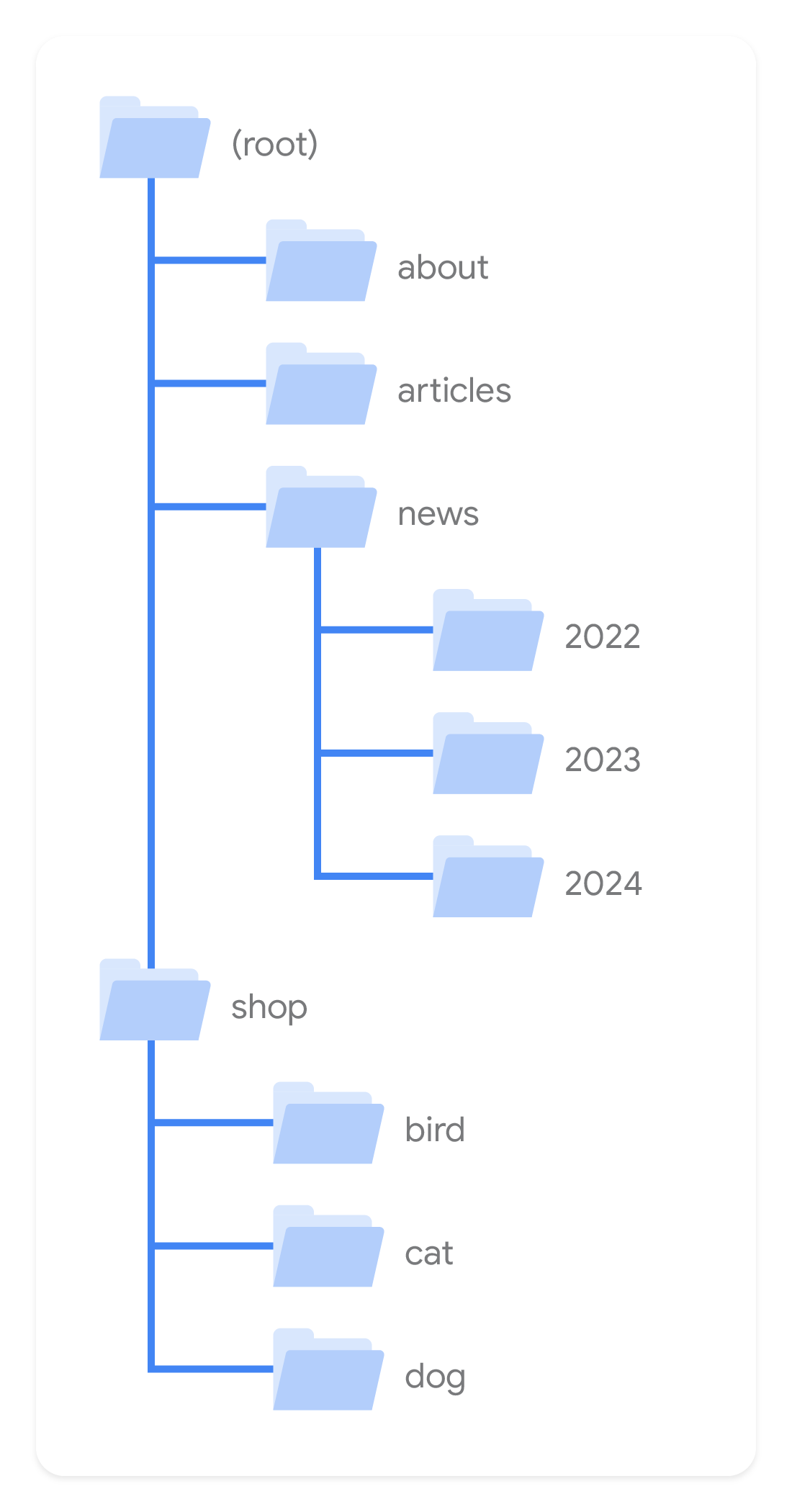
Credit: developers.google.com
Internal And External Linking
Incorporating internal and external links boosts article SEO. Internal links guide readers to other pages on your site, enhancing navigation. External links connect to credible sources, improving authority and trust.
Internal and external linking are crucial elements of SEO that can significantly boost your article’s visibility and authority. Effective linking helps search engines understand the structure of your site and enhances user experience by guiding readers to relevant content. But how do you strategically build these links to benefit your SEO efforts?Building Internal Links
Internal links connect different pages within your website. They help distribute page authority and encourage visitors to explore more of your content. When writing an article, identify related topics or keywords and link them to existing content on your site. This not only improves your site’s navigation but also keeps readers engaged longer. Consider a time when you stumbled upon a fascinating article, and it led you down a rabbit hole of equally intriguing content on the same website. Internal linking makes this possible by creating a seamless journey for your audience. Are you leveraging this powerful tool to keep your readers captivated?Securing High-quality Backlinks
Backlinks are links from other websites that point to your content. They act as votes of confidence, signaling to search engines that your content is credible and valuable. To secure these, focus on creating high-quality, shareable content that others will want to reference. Engage with industry influencers and participate in guest blogging to naturally earn backlinks. Imagine reaching out to a fellow blogger who appreciates your work and decides to link back to your article. This not only boosts your SEO but also expands your reach to new audiences. Have you considered collaborating with others in your niche to amplify your content’s impact? Implementing a strategic approach to internal and external linking can transform your SEO efforts. By guiding users through your site and earning endorsements from others, you enhance both user experience and search engine visibility. Are you ready to refine your linking strategy and watch your content soar?Technical Seo
Technical SEO is like the backbone of your website, ensuring that search engines and users alike can easily access and navigate your content. It’s the foundation upon which all your SEO efforts are built. Without a solid technical structure, even the most compelling content might not reach its full potential. Let’s dive into some crucial aspects of technical SEO that you should focus on to boost your article’s visibility.
Improving Page Load Speed
Page load speed is a critical factor in SEO. A slow-loading page frustrates users and increases bounce rates. You don’t want your readers leaving before they’ve even started.
Start by optimizing images. Compress them without losing quality. Tools like TinyPNG can help. Also, consider lazy loading, where images only load when they appear in the user’s view.
Check your hosting service. A reliable host can make a difference in speed. Upgrade if necessary. Use tools like Google PageSpeed Insights to identify what’s slowing down your site.
Mobile Responsiveness
More people are accessing content on mobile devices than ever before. If your site isn’t mobile-friendly, you’re missing out. Google prioritizes mobile-first indexing, so mobile responsiveness is crucial.
Test your site using Google’s Mobile-Friendly Test. It will show you how your site performs on mobile devices. Adjust layouts, font sizes, and navigation to ensure a seamless experience.
Responsive design is key. Use flexible grids and images that scale with the screen size. This keeps your content accessible and engaging, no matter how your audience is viewing it.
Ssl And Security
Security is non-negotiable. An SSL certificate signals to users and search engines that your site is trustworthy. It’s also a ranking factor in Google’s algorithm.
If your site doesn’t have an SSL certificate, it’s time to get one. Most hosting providers offer SSL certificates, sometimes even for free. This changes your URL from HTTP to HTTPS, enhancing security.
Regularly update your software and plugins. Outdated systems can be vulnerable to attacks. This not only protects your site but also assures your visitors that their data is safe.
Have you ever clicked away from a website because it took too long to load or didn’t look right on your phone? These are technical issues you can fix. Implement these strategies and watch your SEO improve.
Monitoring And Analytics
SEO for articles involves using monitoring and analytics tools. These tools track keywords and audience engagement. Adjust strategies based on data insights for better visibility.
Monitoring and analyzing your article’s SEO performance is like having a GPS for your content. It guides you, showing what’s working and where you might be heading off track. By keeping a close eye on metrics, you can make informed decisions to boost your article’s visibility and reach. Let’s dive into how you can effectively track and adjust your SEO strategy for optimal results.Tracking Performance Metrics
Start by selecting the right tools for monitoring your article’s performance. Google Analytics and Google Search Console are excellent starting points. They provide insights into how your content is performing in search engines. Pay attention to key metrics like organic traffic, bounce rate, and average session duration. These numbers tell you how users are interacting with your content. Are readers sticking around or leaving quickly? Use these insights to gauge the effectiveness of your keywords and content structure. High bounce rates might mean your article isn’t meeting user expectations. Adjustments may be necessary to retain your audience’s attention.Adjusting Strategy Based On Data
Once you have your data, it’s time to refine your strategy. If your target keywords aren’t bringing in traffic, consider tweaking them. Long-tail keywords often have less competition and can attract more targeted visitors. Are certain articles outperforming others? Analyze why this is happening. Perhaps the format, length, or topic resonates better with your audience. Regularly update your content based on these insights. You might need to add fresh information or adjust your headlines for better engagement. Remember, SEO isn’t a one-time task but a continuous process of refinement. Are you tracking your article’s performance regularly? If not, you could be missing valuable opportunities for improvement. By staying vigilant and adaptable, your SEO efforts will yield better results over time.Staying Updated
Staying updated in SEO is crucial for your article’s success. Search engines change often, making it essential to stay informed. This helps your content rank better and reach more people. It ensures your strategies align with current standards. Let’s explore how to keep up with these changes effectively.
Following Algorithm Changes
Algorithms decide how search engines rank content. They can shift without warning. Regularly check for updates from major search engines. Follow industry news and blogs. These sources often explain updates in simple terms. Join forums where professionals discuss algorithm impacts. Knowledge from these platforms helps adapt your SEO strategies.
Seo Tools And Resources
SEO tools simplify tracking changes and optimizing content. Tools like Google Analytics show how users find your articles. SEMrush and Ahrefs provide insights into keyword performance. They highlight areas for improvement. Free resources like Moz or HubSpot offer valuable guides. Use these to learn new techniques. Regularly reading and using these tools makes your strategy stronger. They keep your content fresh and relevant.
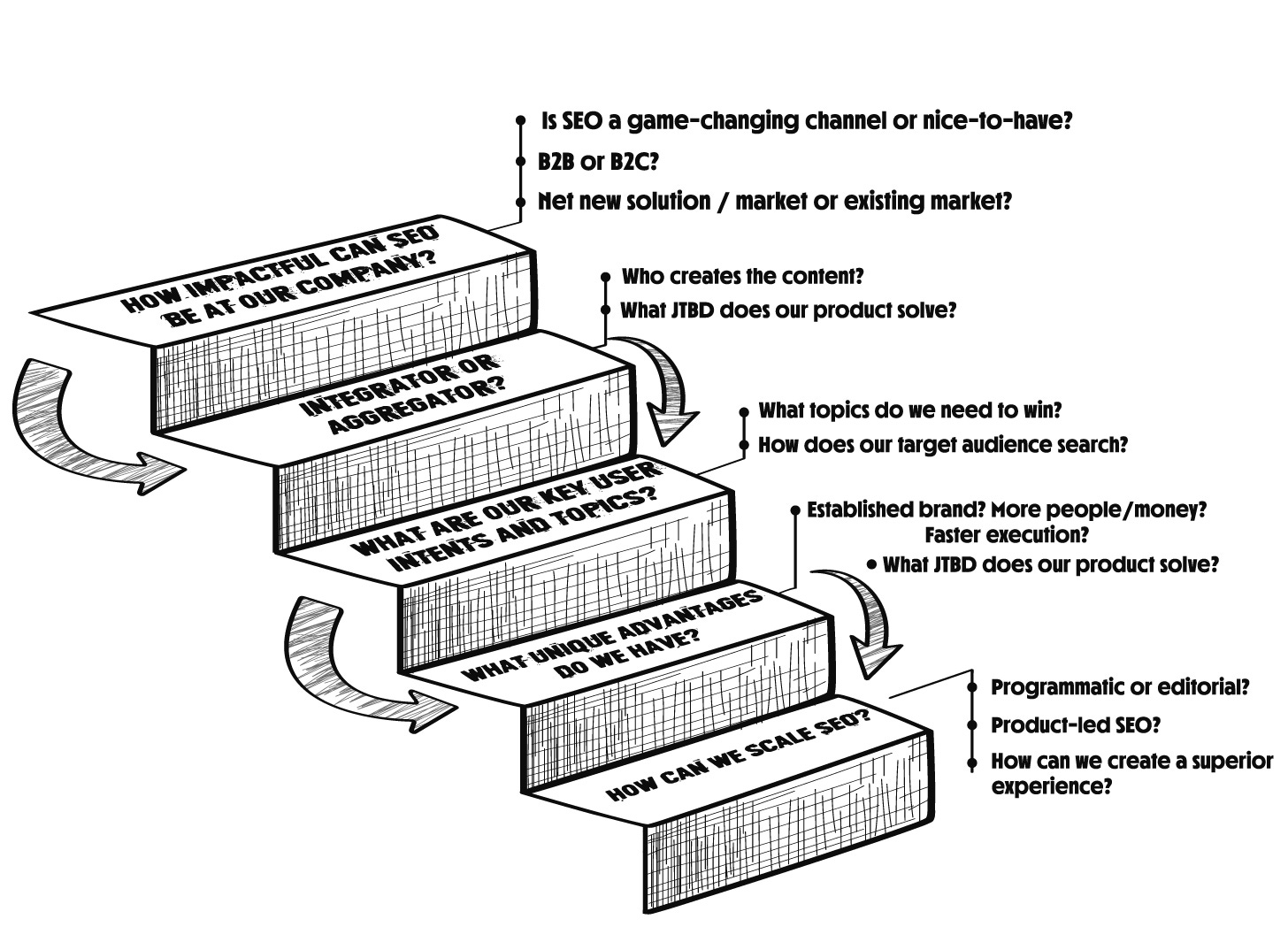
Credit: www.growth-memo.com

Credit: kwork.com
Frequently Asked Questions
How To Seo Articles?
Optimize your articles by using relevant keywords naturally. Craft engaging titles and meta descriptions. Structure content with headings and subheadings. Ensure fast page load speed and mobile-friendliness. Include internal and external links. Use alt text for images and maintain high-quality, original content.
Regularly update and monitor performance.
Can Chatgpt Write Seo Articles?
Yes, ChatGPT can write SEO articles. It generates content based on guidelines and keywords. Ensure human editing for accuracy and optimization.
How To Do Article Submission For Seo?
Choose a reputable article submission site. Write original, high-quality content. Use relevant keywords naturally. Include a compelling title and meta description. Add backlinks to your site. Submit and promote your article through social media.
What Are The 3 C’s Of Seo?
The 3 C’s of SEO are Content, Code, and Credibility. Content involves creating valuable and relevant material. Code focuses on optimizing website technical aspects. Credibility involves building trust through quality backlinks and social proof.
Conclusion
Mastering SEO for articles is within reach with practice. Start by focusing on keywords. Make sure your content is relevant and engaging. Quality matters. Use clear headings and subheadings for better structure. Optimize meta descriptions to attract clicks. Don’t forget internal links.
They guide readers through your site. Regularly update content to keep it fresh. Monitor performance using analytics tools. Adjust strategies based on results. Remember, patience is key in SEO. Improvements take time. Stay consistent and watch your efforts pay off.
Your articles can rank higher with dedication and smart tactics.
