
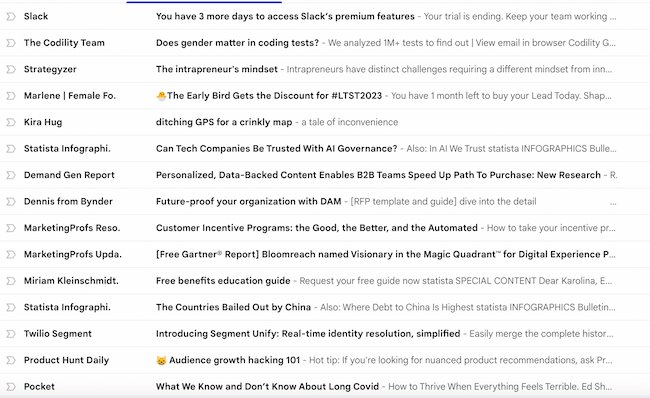
Are your email subject lines being ignored? You might be missing out on a vital opportunity to grab attention.
Your subject line is the first thing your audience sees, and it needs to be compelling enough to make them open your email. In fact, a well-crafted subject line can be the difference between your email being read or deleted.
Imagine having the power to boost your open rates and engage your audience right from the start. You’ll learn how to create subject lines that spark curiosity and drive action, ensuring your messages never go unnoticed. Dive into the secrets of crafting effective email subject lines and transform your communication strategy today. Ready to captivate your readers? Let’s get started!
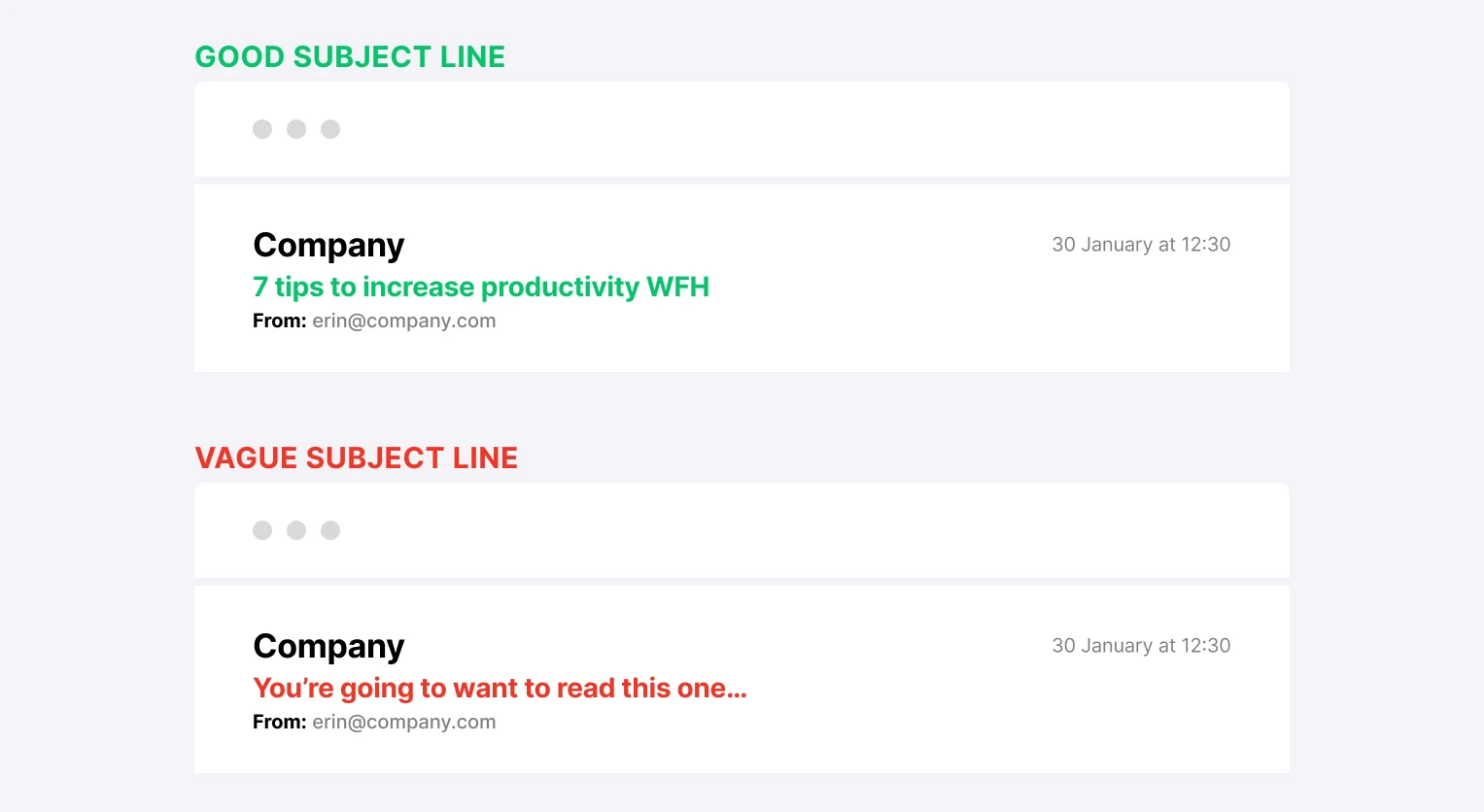
Credit: www.mailerlite.com
Importance Of Subject Lines
Writing effective email subject lines is crucial for capturing your reader’s attention. It’s the first thing they see and can determine whether your email gets opened or ignored. A compelling subject line can make the difference between a successful email campaign and one that falls flat. Let’s explore why subject lines are so important.
First Impressions Matter
Your subject line is your email’s first impression. Imagine receiving an email with a dull or confusing subject line—you might skip it or delete it without a second thought. Crafting a clear and engaging subject line helps ensure your message isn’t lost in the inbox clutter.
Boost Your Open Rates
Open rates are directly influenced by how intriguing your subject line is. A study from Mailchimp showed that subject lines with 50 characters or less had higher open rates. Try experimenting with different lengths and styles to see what resonates with your audience.
Set The Right Expectations
A well-written subject line tells the reader what to expect from your email. If you promise valuable tips, deliver them. If you’re sharing a sale, make it clear. Misleading subject lines can lead to distrust and lower engagement over time.
Reflect Your Brand Voice
Your subject line should echo your brand’s personality. Whether you’re casual and fun, or formal and professional, consistency is key. This helps reinforce your brand image and makes your emails instantly recognizable.
Encourage Action
Effective subject lines can prompt your readers to act. Whether it’s clicking through to a sale, reading a blog post, or signing up for a webinar, make sure your subject line includes a clear call to action. What do you want your reader to do?
Next time you’re drafting an email, don’t rush the subject line. It’s worth the extra effort to engage your readers and achieve your email goals. Remember, the subject line is your invitation to a conversation—make it count!
Understanding Your Audience
Understanding your audience is crucial when crafting effective email subject lines. You wouldn’t shout at someone who prefers whispers, right? Your audience has unique preferences, interests, and behaviors. By knowing these, you can write subject lines that resonate and compel them to open your emails.
Research Your Audience
Start by gathering data about your audience. This could be from surveys, social media insights, or previous email campaigns. What topics interest them? What language do they respond to? Use this information to tailor your subject lines. If you’re a fashion retailer, knowing your audience loves sustainable clothing can help you craft subject lines like “Discover Eco-Friendly Styles You’ll Love.”
Segment Your Audience
Not all recipients have the same interests. Segment your audience into groups based on demographics, purchase history, or engagement levels. This allows you to create personalized subject lines for each group. A tech-savvy crowd might appreciate a subject line like “Top Gadgets for Tech Enthusiasts” while a different segment might prefer something more lifestyle-oriented.
Speak Their Language
Language matters. Use words and phrases your audience uses. If you’re targeting millennials, keep it casual and trendy. If your audience is more professional, opt for formal language. Speak to them in a way that feels familiar and comfortable. When you align your communication style with theirs, your email is more likely to catch their eye.
Test And Adapt
Testing is key. Try different subject lines and see what works best. Analyze open rates and adjust accordingly. If your audience tends to open emails with emojis, use them. If they respond to questions, ask one. This process is ongoing. Keep refining your approach based on feedback and data.
Imagine receiving an email with a subject line that feels like a message from a friend rather than a generic blast. Wouldn’t you be more likely to open it? Tailoring your subject lines to match your audience’s preferences can transform your email marketing strategy from mundane to outstanding.
Crafting Clear Messages
Crafting clear messages involves writing effective email subject lines. Grab attention with concise, relevant phrases. Encourage readers to open emails by using simple language and direct messages.
Crafting clear messages in your email subject lines is crucial for grabbing attention. A well-crafted subject line not only piques curiosity but also clearly conveys the email’s content. This clarity is key to ensuring your email isn’t lost in the sea of unread messages.Be Direct And Specific
Directness is your ally in crafting clear messages. A subject line that precisely tells what the email is about leaves no room for confusion. If you’re offering a discount, say it outright: “Get 20% Off Your Next Purchase.” Specificity helps the recipient decide quickly whether to open the email.Use Action-oriented Language
Action-oriented language motivates readers to engage with your email. Words like “Discover,” “Learn,” or “Join” prompt immediate action. For instance, “Join Us for a Free Webinar on Digital Marketing” not only tells what the email is about but also encourages participation.Avoid Jargon And Complex Language
Keep your language simple and easy to understand. Jargon or overly complex words can alienate your audience. Imagine opening an email with a subject line that leaves you puzzled. Simple language helps in making your message accessible to everyone.Include Relevant Keywords
Think about what words your audience might be looking for. Including these keywords in your subject line can make your email more searchable and relevant. If you’re discussing a new tech gadget, “Latest Tech Gadgets of 2023” might just catch the eye of a tech enthusiast.Ask A Thought-provoking Question
Questions can be a great way to engage your audience. They stimulate curiosity and encourage clicks. A question like “Are You Ready to Boost Your Productivity?” directly involves the reader, prompting them to find out more.Experiment And Analyze
Don’t hesitate to test different subject lines. Analyze which types garner more opens and engagement. Your audience’s preferences might surprise you, and what works can change over time. Adapting and experimenting is key to finding what resonates best. By crafting clear, engaging subject lines, you not only ensure your emails are opened but also build a connection with your audience. What strategies have you found effective in making your subject lines clear and compelling?Utilizing Keywords
Email subject lines are vital for grabbing attention. They are the first thing recipients see. Keywords play a crucial role in crafting effective subject lines. They help convey the email’s purpose clearly and quickly. Using relevant keywords can improve open rates significantly. Keywords should reflect the content inside the email. Choose words that resonate with your audience. They should hint at the email’s value. This encourages recipients to click and read further.
Using Action-oriented Keywords
Action-oriented keywords drive immediate engagement. They prompt readers to take action. Examples include “Join,” “Discover,” or “Explore.” These words create urgency and interest. They motivate recipients to open the email. They suggest something exciting or beneficial awaits inside.
Incorporating Descriptive Keywords
Descriptive keywords clarify the email’s content. They tell recipients what to expect. Use words like “Update,” “News,” or “Offer.” These keywords make the subject line informative. They help users decide if the email is relevant to them. Descriptive keywords reduce ambiguity. They enhance the email’s clarity and appeal.
Using Industry-specific Keywords
Industry-specific keywords target specific audiences. They speak directly to niche markets. Use terms familiar to your audience. This shows expertise and relevance. It builds trust with your recipients. They feel understood and valued. Industry-specific keywords attract the right audience. They improve the chances of engagement.
Keywords For Personalization
Personalization boosts open rates. Use keywords like the recipient’s name or location. This creates a sense of connection. It makes the email feel tailored. Personalized subject lines stand out in inboxes. They make recipients feel special. Personalization shows effort and attention. This leads to higher engagement.
Testing Keywords For Effectiveness
Testing helps find the best keywords. Try different keywords in subject lines. Analyze open rates and engagement. This reveals what works best. Adjust keywords based on results. Continuous testing improves email performance. It helps understand audience preferences. Effective testing leads to better subject lines.
Incorporating Personalization
Crafting effective email subject lines involves using personalization to engage readers instantly. Mentioning the recipient’s name or interests can grab attention. Personalized subject lines feel more relevant, increasing the chances of an email being opened.
Personalization can transform a mundane email subject line into a powerful attention-grabber. It’s like speaking directly to the reader, making them feel special and valued. When you use personalized elements in your email subject lines, you increase the chances of your email being opened and read. Let’s delve into some practical ways to add personalization effectively.Use The Recipient’s Name
Names are powerful. They catch attention instantly. Including the recipient’s name in the subject line can make your email feel more personal. Imagine seeing your own name in your inbox; it’s hard to ignore. For example, “John, Your Exclusive Offer Awaits!” feels more engaging than a generic “Exclusive Offer Inside!”Reference Past Interactions
Think about the last time you received an email that referenced your past purchase or interaction. It likely made you feel remembered and appreciated. Mentioning a previous purchase or interaction can create a connection. It shows you pay attention to their history with your business. For instance, “Loved Your Last Purchase? Check Out These New Arrivals!” speaks directly to their preferences.Highlight Location Or Preferences
Knowing where your audience is based or what they like can refine your personalization strategy. This approach can be particularly effective for businesses with a diverse audience. Consider using location-based personalization, like “New York Locals, Don’t Miss This Event!” Alternatively, if you know their preferences, tailor the subject line accordingly: “Coffee Lovers, Discover Our New Blends!”Ask A Relevant Question
Questions can be a great way to engage your readers. They provoke curiosity and invite the recipient to find out more. Think about the questions that would resonate with your audience. For example, “Looking for the Best Travel Deals, Sarah?” prompts a response and encourages clicks.Use Timely And Relevant Information
Timeliness can enhance the effectiveness of your personalized subject lines. Referencing current events or trends can make your email feel urgent and relevant. Imagine receiving an email with the subject line, “John, Ready for the Weekend Sale?” right before the weekend. It’s likely to grab attention and encourage immediate action. Personalization requires attention to detail and a genuine effort to connect with your audience. What strategies will you use to make your email subject lines more personal and engaging?Creating Urgency
Crafting email subject lines with urgency can boost open rates significantly. Phrases like “Limited Time Offer” or “Only a Few Left” capture attention quickly. These create a sense of importance and prompt immediate action.
Creating urgency in email subject lines can be a game-changer for open rates. When people feel they might miss out on something valuable, they’re more likely to click. But how do you craft that sense of urgency without sounding pushy or spammy? Let’s explore some practical strategies.Use Time-sensitive Language
Words like “today,” “now,” or “limited time” can grab attention quickly. Imagine your inbox filled with emails, but one says, “Ends Tonight: 50% Off!” You’d probably click it, right? These phrases make your email sound urgent and important.Highlight Exclusivity
Everyone loves to feel special. Phrases like “exclusive offer” or “members-only” can make your readers feel they’re part of a select group. This sense of exclusivity encourages them to act fast before the opportunity slips away.Provide Specific Deadlines
Adding a specific deadline can create a mental countdown for your audience. If you say, “Register by Friday for a free gift,” readers know they have a limited window to act. It’s clear and direct, prompting quicker decisions.Include Action-oriented Words
Action words like “grab,” “secure,” or “claim” prompt immediate action. They suggest that the reader needs to do something quickly to benefit. It’s like a gentle nudge that says, “Don’t wait, act now!”Pose A Question To Spark Curiosity
Questions can ignite curiosity and urgency. If you ask, “Are you ready to save 30% today?” you’re engaging the reader directly. It creates a conversational tone and encourages them to open your email to find out more.Leverage Seasonal Events
Tie your subject lines to current events or seasons to create urgency. During the holiday season, “Last Chance for Holiday Discounts!” can be quite effective. It aligns with what people are already thinking about, making your email timely and relevant. Crafting urgent subject lines is an art. What’s your secret to grabbing attention in a crowded inbox?Balancing Creativity And Clarity
Crafting email subject lines demands a mix of creativity and clarity. Engage readers with intriguing yet straightforward phrases. Keep it concise to ensure your message stands out in crowded inboxes.
Balancing creativity and clarity in email subject lines is crucial. It determines whether your email gets opened or ignored. A creative subject line piques interest. Clear language ensures the message is understood. Together, they increase the chances of engagement.Creativity Captures Attention
Creative subject lines stand out in a crowded inbox. They spark curiosity and draw readers in. Use interesting words that evoke curiosity. Think of questions or intriguing statements. Creativity can make your email memorable. But don’t stray too far from the main idea.Clarity Ensures Understanding
Clarity is key to effective communication. Readers should grasp the email’s purpose quickly. Use simple and direct language. Avoid jargon and complex words. A clear subject line tells the reader what to expect. This builds trust and improves engagement.Finding The Right Balance
Combining creativity with clarity requires skill. Begin with the core message. Then add a creative twist. Use familiar words and phrases. This keeps the subject line accessible. Test different combinations to find what works best. Aim for a subject line that is both engaging and informative.Testing And Refining
Test different subject lines to see what works. Analyze open rates and engagement levels. Adjust based on feedback and results. Refining the balance between creativity and clarity improves effectiveness. Regular testing helps identify successful strategies. Keep experimenting and learning from each attempt.
Credit: milkandtweed.com
Avoiding Spam Triggers
Writing effective email subject lines is crucial for communication. It’s important to avoid spam triggers. Spam filters can mark your emails as junk. This happens when your subject lines contain certain words or phrases. Understanding these triggers can improve your email deliverability.
Using Simple Language
Choose words that are clear and straightforward. Avoid jargon or complex terms. This helps your email get through filters. It also makes your message more accessible.
Avoiding Common Spam Words
Some words are known to trigger spam filters. Words like “free,” “winner,” or “limited offer” are examples. Use alternative phrases that convey your message without sounding spammy.
Refraining From Excessive Punctuation
Multiple exclamation marks or question marks can be flagged as spam. Keep punctuation to a minimum. One or two is often enough to make your point.
Keeping Subject Lines Brief
Short subject lines are less likely to trigger spam filters. Aim for 5-7 words. This also helps capture attention quickly.
Personalizing Subject Lines
Use the recipient’s name if possible. Personalized subject lines feel more genuine. They can reduce the risk of being marked as spam.
Testing And Evaluating
Test different subject lines to see what works best. Analyze open rates to evaluate effectiveness. This helps refine your approach over time.
Testing And Analyzing
Testing and analyzing your email subject lines is crucial. It helps you understand what works and what doesn’t. You want your emails to be opened. A great subject line can boost open rates. Testing different lines shows you what your audience likes. Analyzing results helps refine your approach. This leads to better engagement and more successful campaigns.
Testing Methods
A/B testing is a popular method. You send two versions of an email to different groups. Compare open rates to see which subject line performs better. This method offers clear insights. It helps you make informed decisions. Try different styles, lengths, and tones. See what your audience responds to best. Testing regularly keeps your strategies fresh.
Analyzing Results
Analyzing results is just as important as testing. Look at open rates and click-through rates. These metrics show how effective your subject lines are. Use data to identify patterns. What type of subject lines get more opens? Which ones lead to more clicks? Understanding these trends helps you improve future emails. Make adjustments based on what the data tells you.
Using Tools
Email marketing tools are valuable for testing and analyzing. Many offer built-in A/B testing features. They help track performance metrics. Use these tools to streamline your process. They provide insights that are hard to gather manually. These tools also save time. You can focus more on creating great content.
Learning From Competitors
Competitor analysis can offer valuable insights. Look at what similar businesses are doing. Study their email subject lines. Consider what makes theirs effective. This can inspire new ideas for your own campaigns. It helps you stay competitive in the market. Learning from others is a smart strategy.

Credit: politemail.com
Frequently Asked Questions
What Is The Most Effective Method For Email Subject Lines?
Craft catchy, relevant email subject lines that spark curiosity and include action words. Personalize them by using the recipient’s name. Keep them short, ideally under 50 characters. Use emojis sparingly to grab attention. Test different variations to see what works best for your audience.
What Email Subject Lines Get The Most Opens?
Subject lines with curiosity, personalization, and urgency drive high open rates. Use emojis and keep it concise. Include numbers or questions to increase engagement. Tailor subject lines to the audience for better results.
What Is The Best Subject For A Professional Email?
The best subject for a professional email is clear, concise, and relevant. It should grab attention and summarize the email’s content. Use keywords for better searchability and ensure it reflects the email’s purpose. This approach increases open rates and ensures effective communication.
What Should You Avoid In The Subject Line Of A Professional Email?
Avoid using all caps, excessive punctuation, vague language, or overly promotional words in subject lines. Keep it clear, concise, and relevant to maintain professionalism and ensure it doesn’t appear as spam.
Conclusion
Crafting the perfect email subject line is crucial. It grabs attention quickly and draws readers in. Keep your message clear and concise. Use words that spark curiosity and interest. Avoid jargon and complex language. Personalize when possible to connect with the reader.
Testing different subject lines helps find what works best. Remember, a good subject line boosts email open rates. Aim for simplicity and relevance. Your subject line sets the stage for your email content. Practice makes perfect, so keep refining your approach.
Happy writing!
