
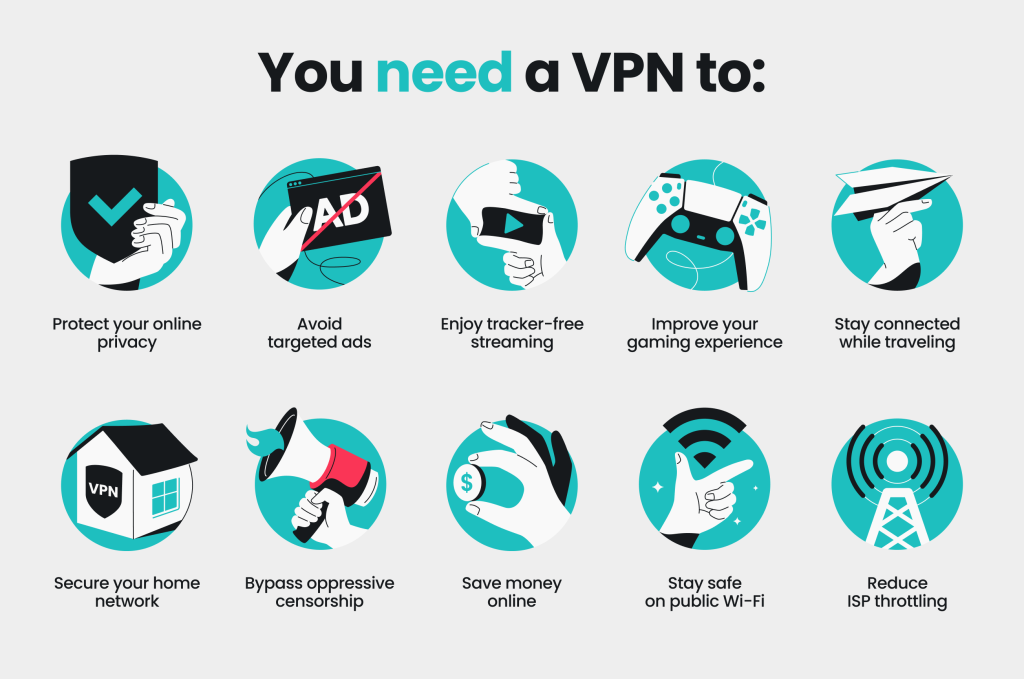
Imagine you’re browsing the internet, sipping coffee at your favorite café, feeling secure. But are you really?
Every click you make, every site you visit, is potentially being watched. This isn’t a scene from a spy movie; it’s the reality of the online world. Your personal data, browsing habits, and even your location are up for grabs.
It’s unsettling, isn’t it? But there’s a simple tool that can safeguard your privacy and keep your online activities under wraps: a VPN. Curious about how it can protect you and why it’s essential for your online privacy? Keep reading to discover how a VPN can be your shield in the vast, open world of the internet.

Credit: www.superiorit.com.au
Benefits Of Using A Vpn
In today’s digital age, safeguarding your online privacy is more critical than ever. A Virtual Private Network (VPN) is a powerful tool that can help you protect your personal information from prying eyes. Using a VPN offers numerous benefits that enhance your online experience and security. Let’s dive into the key advantages of using a VPN for online privacy.
Enhanced Privacy
When you connect to the internet through a VPN, your IP address is masked. This means your online actions are hidden from websites and advertisers. Imagine browsing without being tracked. A VPN can provide you with this freedom. It’s like wearing an invisibility cloak, keeping your online identity secure.
Secure Browsing
Public Wi-Fi networks can be risky. Hackers often target these networks to steal personal data. A VPN encrypts your internet connection, making it difficult for anyone to intercept your information. Have you ever felt anxious using free Wi-Fi at a café? With a VPN, you can browse confidently, knowing your data is safe.
Access To Restricted Content
Some websites and streaming services are blocked in certain regions. A VPN allows you to bypass these restrictions by connecting through a server in a different location. Traveling abroad and missing your favorite show? A VPN lets you access content as if you were back home. This opens up a world of possibilities.
By using a VPN, you not only enhance your online privacy but also secure your browsing and access content without limitations. Have you ever considered how much of your online activity is exposed? Taking steps to protect your privacy can lead to a more secure and enjoyable internet experience.
How Vpns Work
In today’s digital age, safeguarding your online privacy is more crucial than ever. Virtual Private Networks (VPNs) are powerful tools that help protect your data and maintain your anonymity online. But how exactly do VPNs work to keep you safe?
Encryption Methods
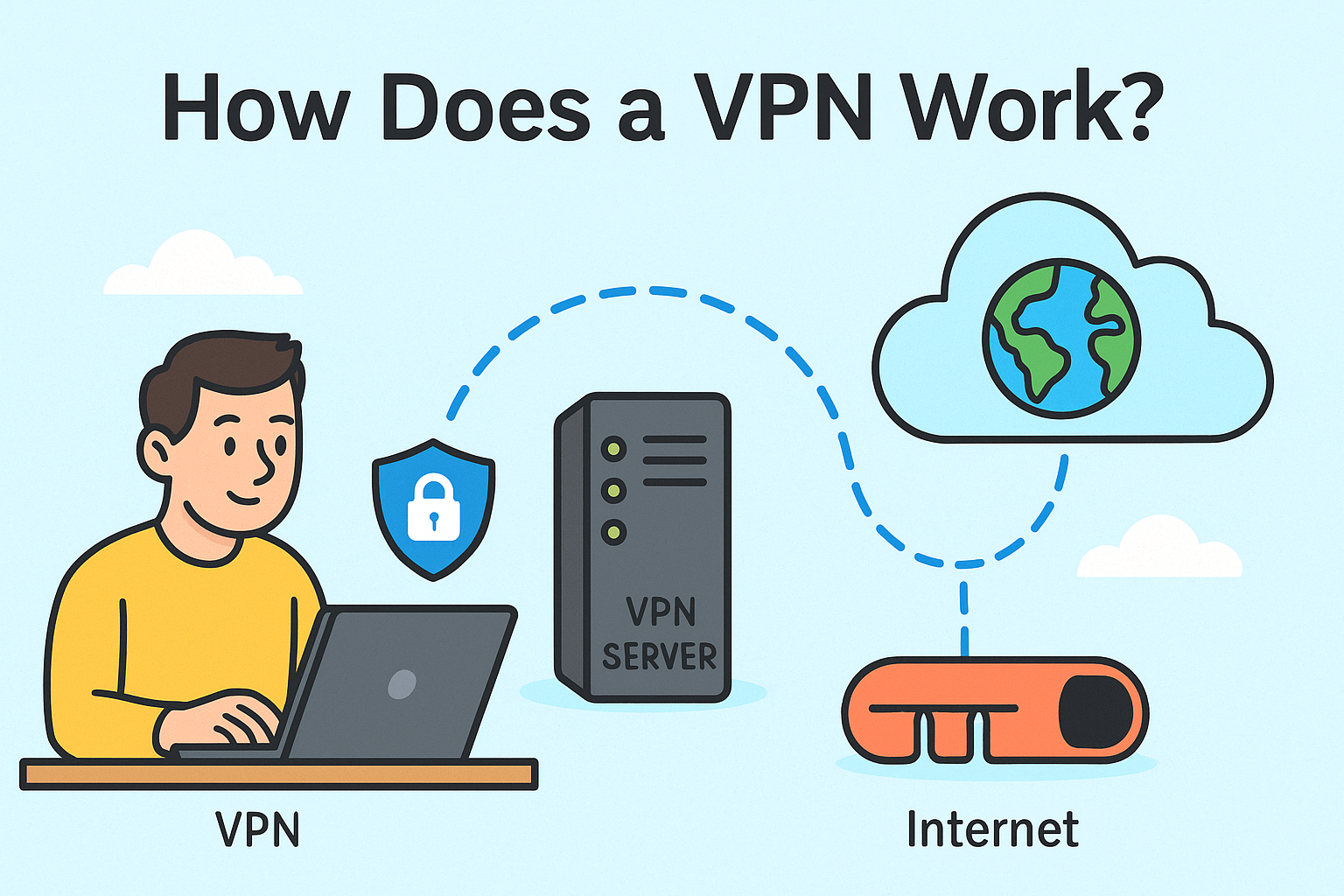
Encryption is the backbone of any VPN. When you connect to a VPN, it encrypts your internet traffic, making it unreadable to hackers and snoopers. Imagine sending a secret message that only you and the recipient can decode. VPNs use complex algorithms to ensure your data stays confidential. This process is crucial when you’re using public Wi-Fi, where data breaches are common.
Ip Address Masking
Every time you browse the internet, your device is assigned an IP address, which can reveal your location and identity. VPNs mask your IP address, making it appear as if you’re browsing from a different location. This not only helps protect your identity but also allows you to access content restricted in your region. Imagine watching your favorite TV show while on vacation, without any location barriers.
Data Tunneling
Data tunneling is like building a secure pathway for your online activities. When you connect to a VPN, it creates a private tunnel for your data, keeping it safe from prying eyes. This ensures that your internet service provider (ISP) or any malicious entity cannot easily monitor your online behavior. Think of it as having a private lane on a busy highway, where only you can drive.
Do you often worry about your online privacy? Using a VPN might be your answer. With encryption, IP masking, and data tunneling, you can browse confidently without fear of being tracked or hacked.
Choosing The Right Vpn
Protect your online privacy with a VPN. It hides your IP address and encrypts your internet connection. Keep hackers and snoopers away. Choosing the right VPN ensures safe browsing and protects personal data.
Choosing the right VPN can feel overwhelming, especially with so many options available. But finding the perfect match for your online privacy needs doesn’t have to be a daunting task. By focusing on a few key aspects, you can ensure that your choice enhances your online experience rather than complicates it.Key Features To Consider
When selecting a VPN, consider what features matter most to you. Security is paramount, so look for strong encryption standards and a no-logs policy. This ensures your data remains private and inaccessible to third parties. Speed is another crucial factor. A VPN should not slow down your internet to a crawl. Many providers offer a variety of server locations, which can improve speed and access to global content. Lastly, consider ease of use. A user-friendly interface can make all the difference, especially if you’re not tech-savvy. Look for VPNs with simple setup processes and responsive customer support.Free Vs. Paid Vpns
The allure of free VPNs is undeniable. However, they often come with hidden costs. Free services may sell your data to cover expenses, negating the purpose of using a VPN for privacy. Paid VPNs, on the other hand, generally offer better security, speed, and customer support. They often include additional features like malware protection and ad-blocking. Investing in a paid VPN can provide peace of mind and a better overall experience.Reputable Vpn Providers
Navigating through VPN options can be tricky, but sticking with reputable providers can make your decision easier. Providers like NordVPN, ExpressVPN, and CyberGhost are popular for their robust security features and reliable performance. Before settling on a provider, check user reviews and independent audits to ensure they uphold their privacy promises. You want a VPN that you can trust with your personal information. Choosing the right VPN boils down to understanding your needs and doing a bit of research. Is your online privacy worth the investment? Consider your internet habits and decide if a reliable VPN is the key to a safer online experience.Setting Up Your Vpn
Setting up your VPN is the foundation of safeguarding your online privacy. Whether you’re a newbie or a tech aficionado, getting your VPN up and running shouldn’t be daunting. Let’s dive into the essentials and get your privacy shield ready.
Installation Process
Installing a VPN is straightforward and usually takes just a few minutes. Start by choosing a reputable VPN service—options like NordVPN or ExpressVPN are popular. Download the VPN app from the provider’s website or your device’s app store. Once downloaded, open the app and follow the instructions to complete the installation.
Consider this: the last time I set up a VPN, I was surprised at how intuitive the process was. The app guided me step-by-step, ensuring I didn’t miss a thing. Don’t worry if you’re not tech-savvy; VPN providers design their apps to be user-friendly. Have you ever thought about how simple it is to add this layer of protection?
Device Compatibility
Your VPN should work seamlessly across all your devices. Whether you’re using a smartphone, tablet, or laptop, check that your chosen VPN supports them. Most VPNs offer apps for Windows, macOS, iOS, and Android. Some even extend support to smart TVs and gaming consoles.
I once found myself in a bind when my VPN wasn’t compatible with my new tablet. It served as a reminder to always verify device compatibility. Imagine the convenience of securing every device you own with just one VPN subscription. Have you checked if your devices are covered?
Optimizing Vpn Settings
After installing your VPN, optimizing its settings can enhance your experience. Select servers closest to your location for faster speed. Enable features like a kill switch, which disconnects the internet if the VPN drops, ensuring your privacy isn’t compromised.
When I first explored VPN settings, I realized how much control I had over my online security. Adjusting encryption levels and choosing the right protocols made a noticeable difference. Isn’t it fascinating how a few tweaks can bolster your online security?
Reflect on your current internet habits. Are you adequately protected? Setting up a VPN is not just about installation—it’s about transforming your online experience into a secure haven. Take these steps to protect your privacy effortlessly.
Staying Safe Online
In today’s digital age, staying safe online is more crucial than ever. Every click, every search, and every transaction can expose your personal information to threats. You may think you’re browsing safely, but without the right tools, you’re vulnerable. A VPN, or Virtual Private Network, is your shield against these online hazards.
Avoiding Malware
Have you ever clicked on a link, only to find your device bombarded with unwanted ads or strange pop-ups? This is malware at work. VPNs can help you avoid these threats by masking your IP address. When your real IP is hidden, it’s harder for malicious sites to target you. VPNs offer an added layer of security, preventing malware from latching onto your device and causing havoc.
Protecting Personal Information
Your personal information is invaluable. Imagine your bank details or private messages falling into the wrong hands. Scary, right? VPNs encrypt your data, turning it into a code that’s nearly impossible to decipher. This means even if hackers intercept your information, they can’t read it. So, every time you send an email or shop online, a VPN ensures your data stays safe.
Safe Public Wi-fi Usage
Picture this: you’re at a coffee shop, sipping your favorite latte, browsing the web. Public Wi-Fi feels convenient, but it’s a goldmine for hackers. They can easily access your unprotected data on open networks. With a VPN, your internet activity is encrypted, providing a secure tunnel between you and the online world. This way, you can enjoy your coffee and surf the web without worrying about prying eyes.
Are you ready to take control of your online privacy? Embrace the power of a VPN and secure your digital life today. What steps will you take to protect yourself online?
Common Vpn Misconceptions
Using a VPN for online privacy is crucial today. Yet, many misconceptions exist about VPNs. These misunderstandings can deter individuals from using them effectively. Knowing the facts can help you make informed decisions about your online security. Let’s debunk some common VPN myths.
Vpns And Anonymity
Many believe VPNs offer complete anonymity online. They do enhance privacy by hiding your IP address. But they don’t make you fully anonymous. Websites can still track other data, like cookies. VPNs are a privacy tool, not an invisibility cloak.
Speed And Performance Myths
There’s a common myth that VPNs slow down internet speed. Sometimes, this can happen, but not always. Quality VPNs optimize connections for minimal speed loss. Some VPNs can even improve speed by bypassing bandwidth throttling. Choosing the right VPN ensures good performance.
Legal Considerations
Some fear VPNs are illegal or shady. VPNs are legal in most countries. They are widely used for privacy and security. It’s important to check local laws, as some regions have restrictions. Using a VPN responsibly is key to staying within legal boundaries.
Maximizing Vpn Benefits
Using a VPN enhances online privacy. It protects your data from prying eyes. But, to truly benefit, you must optimize its use. This means understanding its features and applying them effectively. Let’s explore how to maximize VPN benefits. This includes regular updates, using multiple devices, and combining with other security tools.
Regular Updates
Keep your VPN software up to date. Updates fix vulnerabilities and enhance security features. Developers regularly release patches. These patches safeguard against new threats. An outdated VPN may expose your data. Updates ensure maximum protection. Check for updates frequently. This guarantees you stay protected.
Using Multiple Devices
Most people use multiple devices daily. Phones, tablets, and laptops connect to the internet. A VPN should cover all these devices. Many VPNs allow connections on several devices simultaneously. This ensures consistent protection across your devices. Set up your VPN on each device you use. This way, your privacy is secure everywhere.
Combining With Other Security Tools
A VPN is powerful, but not alone. Combine it with other security tools. Use antivirus software to detect malware. Enable firewalls to block unauthorized access. These tools work together to protect your data. Layered security offers comprehensive protection. It minimizes risks and enhances online safety.
Credit: www.bleepingcomputer.com
Credit: www.xcitium.com
Frequently Asked Questions
Does Vpn Protect Online Privacy?
A VPN enhances online privacy by encrypting internet traffic and masking your IP address. It helps protect against tracking and surveillance, ensuring safer browsing. However, it cannot prevent all data breaches or guarantee complete anonymity. Always use reputable VPN services for optimal security and privacy.
What Is A Key Benefit Of Using A Vpn For Online Privacy And Anonymity?
A VPN masks your IP address, ensuring online privacy and anonymity. It encrypts your internet connection, protecting your data from prying eyes. This prevents hackers, advertisers, and government agencies from tracking your online activities. Using a VPN enhances security, making it a vital tool for maintaining privacy online.
What Are The Pros And Cons Of Vpn?
VPNs offer privacy, secure data transmission, and bypass geo-restrictions. They can slow internet speed and cost money. Compatibility issues may arise with some devices or services.
Is Using A Vpn Actually Worth It?
Using a VPN enhances online security and privacy. It protects data and bypasses geo-restrictions efficiently. VPNs are valuable for maintaining anonymity and accessing blocked content. Choosing a reliable provider is crucial for optimal performance. Overall, investing in a VPN is worthwhile for secure internet browsing.
Conclusion
A VPN helps protect your online privacy. It masks your IP address. This means hackers can’t track you easily. Your data stays secure. You avoid online surveillance. Safe browsing becomes possible with VPNs. They are simple to use. VPNs offer peace of mind.
Protecting personal information is crucial. Don’t leave your data vulnerable. Consider using a VPN today. It’s a step towards safer internet use. Enhance your privacy with this tool. Keep your activities private. Stay safe online. Your privacy matters. Invest in a VPN for secure browsing.
Make your online experience worry-free.
